logo
logo

Need Help? Chat with us

Saturday - Wednesday: 9 AM - 10 PM

Thursday: 9 AM - 9 PM 

Friday: Closed

What Causes a Cracked Tooth and How Is It Repaired?

cracked tooth treatment

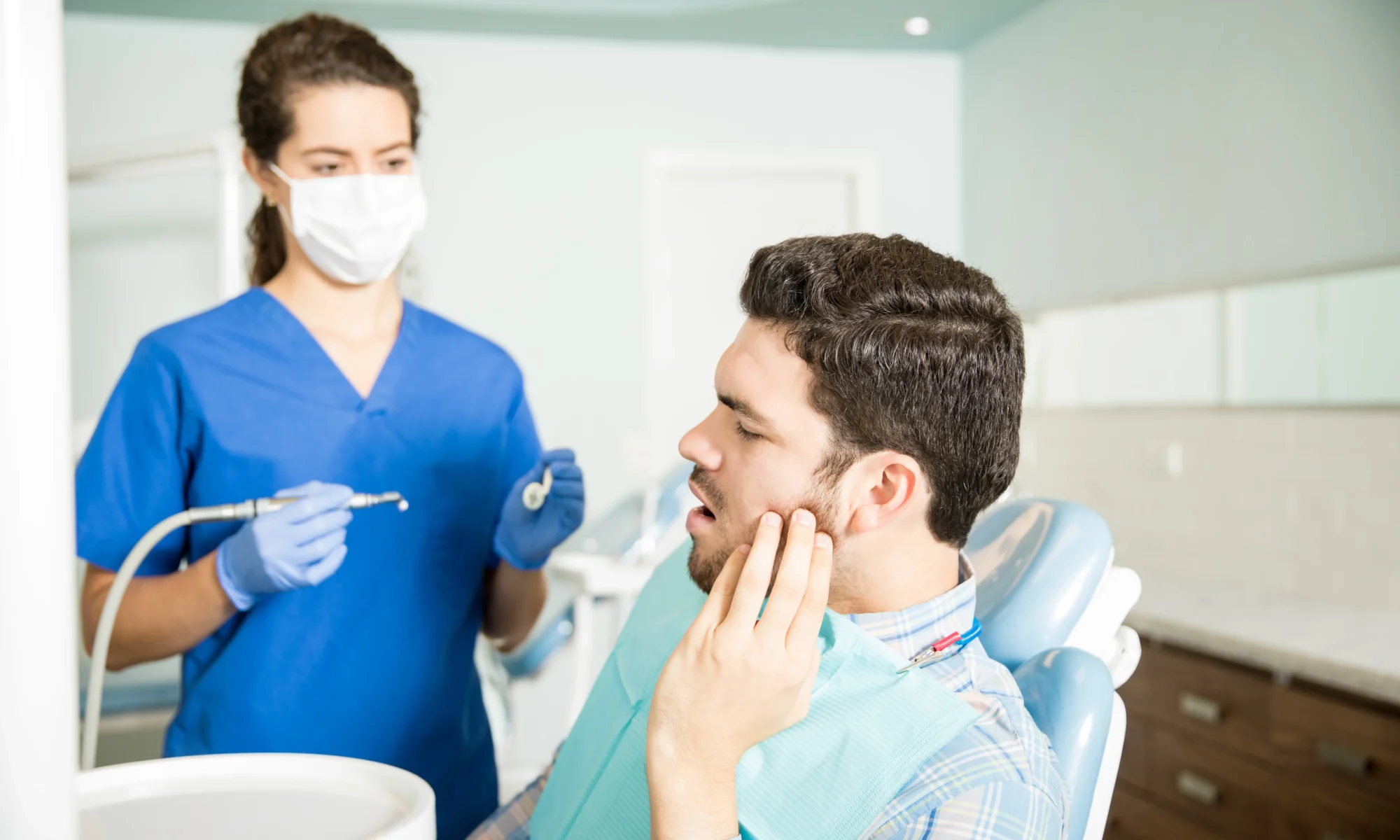
Most people find out about a cracked tooth in an odd way. A sudden jolt on one particular bite, a twinge that vanishes before you can pin it down, or a cold drink that stings on one side of the mouth. Cracks are easy to miss because they are often too fine to see, and unlike a broken bone, they do not always hurt all the time.

A cracked tooth can often be repaired, and the right cracked tooth treatment depends on how deep the crack goes, where it sits, and whether the nerve is affected. Some cracks need only monitoring, while others call for a crown, a root canal or, less often, removal of the tooth. This blog explains what causes cracks, what to look out for, how dentists diagnose them, and what your options are.

What Are the Symptoms of a Cracked Tooth?

The symptoms of a cracked tooth vary a lot from person to person, and they can come and go. That is part of why a crack can go unnoticed for weeks or months before anyone mentions it to a dentist.

Here are the signs worth paying attention to.

  • Sharp pain when biting down.
  • Pain when releasing pressure after biting.
  • Sensitivity to hot and cold foods or drinks.
  • Intermittent pain that may be difficult to locate.
  • Discomfort when chewing hard or fibrous foods.
  • Swelling or persistent pain if complications such as infection develop.

What Causes a Tooth to Crack?

Teeth are strong, but they are not indestructible, and a crack usually builds up from repeated stress or one hard blow. The cause is often something ordinary rather than dramatic.

These are the most common reasons.

Biting Down on Hard Foods or Objects

Biting on ice, hard sweets, popcorn kernels, olive stones or a pen puts sudden, concentrated force on a tooth. Even a tooth that looks perfectly healthy can crack under that pressure.

Teeth Grinding and Clenching

Grinding or clenching, often during sleep, loads the teeth with force for hours at a time. Over months and years, that repeated pressure can create fine cracks or chip the edges.

Large Fillings and Weakened Tooth Structure

A tooth with a large filling has less natural structure left to hold it together. The remaining walls can flex under biting forces and eventually crack, particularly at the cusps, the raised points of the chewing surface.

Dental Injuries and Age-Related Wear

A knock to the mouth from a fall, an accident or sport can crack a tooth straight away. Over the years, everyday wear also makes teeth more brittle, which is why cracks are more common in adults.

What Are the Different Types of Cracked Teeth?

We can group cracks into five main categories, from harmless surface lines to fractures that run down into the root. It describes craze lines as affecting only the enamel, which is why they are common in adult teeth and cause no pain, while the other types go deeper and show up most often in back teeth. The table below sets the five side by side.

TypeWhat happensGeneral treatment consideration
Craze linesFine cracks limited to the enamelUsually no treatment needed
Fractured cuspPart of the chewing surface breaks awayFilling or crown may be recommended
Cracked toothA crack extends towards the root without splitting the toothMay require a crown, with root canal treatment if the pulp is affected
Split toothThe tooth separates into distinct segmentsUsually cannot be restored as one complete tooth
Vertical root fractureA crack begins in the root and extends upwardsOften has a poor prognosis and may require extraction

How Do Dentists Diagnose a Cracked Tooth?

A dentist will start by listening to your story: which tooth, what sets it off, and how long it has been going on. Because cracks can be hard to see, they will look closely at the tooth and gums, check your bite, and may ask you to bite on a small tool to see whether the pain appears when you release.

Other tools help build the picture. A bright light shone through the tooth can reveal a crack, dye can make a fine line easier to see, and the gum around the tooth is measured for deep pockets that can point to a crack in the root. X-rays are useful too, but they often do not show the crack itself, so the diagnosis comes from putting symptoms, examination, and tests together.

What Are the Treatment Options for a Cracked Tooth?

The right cracked tooth treatment depends on the type of crack, how far it extends, and the health of the nerve inside. Your dentist will talk through the options with you and aim for the most conservative one that suits your tooth.

Here are the main options, from simplest to most involved.

Dental Bonding or Filling for Minor Damage

A small crack or chip that does not reach the nerve can often be repaired with a tooth-coloured filling or bonding material. It protects the tooth and smooths a rough edge, though it is usually kept for minor damage.

Dental Crown to Protect a Cracked Tooth

A crown is a cap that covers the whole tooth and holds it together so biting forces are spread more evenly. It is often recommended when the crack affects the chewing surface of a back tooth.

Root Canal Treatment When the Pulp Is Affected

If the crack lets bacteria reach the pulp, the nerve tissue inside the tooth, a root canal removes the damaged pulp and cleans and seals the canals. The tooth usually needs a crown afterwards to protect it from cracking further.

Tooth Extraction When the Crack Cannot Be Repaired

When a crack runs too deep, as with a split tooth or a fracture that begins in the root, the tooth often cannot be kept. Removing it stops the source of pain and infection, and your dentist can talk you through ways of replacing it.

Can a Cracked Tooth Be Saved?

Often, yes, but it depends on the type and depth of the crack. Craze lines and many fractured cusps are managed without losing the tooth, while split teeth and root fractures generally cannot be saved. Early assessment matters, because a crack caught sooner is easier to protect.

Research published in the Journal of Dentistry in 2024 pooled the results of studies on cracked teeth and found high tooth survival over one to six years when the nerve was still healthy. Teeth that had root canal treatment but no full crown afterwards were much more likely to be lost than those that did receive one. The same review suggested that monitoring alone may be an option when a cracked tooth causes no symptoms.

How Can You Prevent a Tooth From Cracking Further?

Avoid chewing ice, hard sweets, and popcorn kernels, and do not use your teeth to open packets or bottles. If you grind or clench, a custom night guard from your dentist can help cushion the teeth. Regular check-ups help too, since a dentist can spot weak or heavily filled teeth before they give way.

If you already have a crack, protect the tooth until it is treated. Chew on the other side, avoid very hard or sticky foods, and keep brushing gently around it. Having it checked early gives you more options and is more likely to keep treatment simple.

When Should You See a Dentist for a Cracked Tooth?

See a dentist if you notice sharp pain when biting, pain when you release the bite, or sensitivity that keeps returning in the same spot, even if it comes and goes. Book soon if the tooth feels loose or a piece breaks off. Go urgently for swelling, a bump on the gum, fever or constant pain, as these can mean infection, and seek emergency care for trouble swallowing or breathing. A fine line with no pain at all may need nothing more than a look to confirm it is harmless.

Conclusion

A cracked tooth is more common than most people expect, and the outlook is often better than they fear. Fine craze lines usually need nothing more than monitoring, while deeper cracks benefit from timely care, such as a crown or a root canal, to keep the tooth working. The main thing is not to ignore a bite that keeps hurting in the same spot.

If something feels off when you chew, the team at Diamond Dentals in Kuwait can examine the tooth, work out what type of crack it is and explain your options, including when waiting and watching is enough. Noting which foods or movements trigger the pain gives them a helpful starting point.

FAQs

  1. Can a cracked tooth heal on its own?
    No, unlike a broken bone, a cracked tooth cannot knit back together. Craze lines may simply be watched, but a deeper crack needs a dentist’s assessment.
  2. Can you have a cracked tooth without knowing it?
    Yes, many cracks, such as craze lines, cause no symptoms at all. Others cause only occasional twinges that are easy to put down to something else.
  3. Does every cracked tooth need a crown?
    No, craze lines usually need nothing, and minor cracks may be treated with bonding or a filling. A crown is more likely when the crack affects the chewing surface of a back tooth.
  4. Does a cracked tooth always need root canal treatment?
    No, only when the crack has reached the nerve and caused lasting pain or infection. Many cracked teeth are protected with a filling or a crown alone.
  5. Can a cracked tooth be repaired without extraction?
    Often yes, depending on the type and depth, using bonding, a crown, or root canal treatment followed by a crown. Split teeth and root fractures are the types most likely to need removal.
  6. Can a cracked tooth show up on an X-ray?
    Not always, because fine cracks often cannot be seen on an X-ray. Dentists rely on your symptoms, a close examination and tests such as a bite test and a bright light to confirm it.
  7. How long can you leave a cracked tooth untreated?
    There is no safe time limit, because a crack can deepen without warning. If the tooth is painful or sensitive, have it checked soon, and urgently if swelling develops.

How to Stop Toothache Pain and When to See a Dentist

toothache relief

A toothache has a way of taking over the whole day. The throb makes it hard to eat, talk or concentrate, and it often seems to get worse at night when nothing else is competing for your attention. If you are searching for toothache relief right now, a few simple steps at home can ease the pain while you arrange to be seen.

It is worth knowing that home care calms the pain but does not fix its cause. A toothache can come from decay, infection, a cracked tooth or irritated gums, and each needs a different approach. This blog covers what helps in the meantime, what to avoid, what is likely behind the pain, and how to tell when a dentist should take a look.

How to Get Toothache Relief at Home

A toothache can feel urgent at any hour, and the first goal is to settle the pain until you can see a dentist. These steps are meant as emergency toothache relief for the short term, not as a cure.

Here is what tends to help, starting with the simplest.

Take an Appropriate Over-the-Counter Pain Reliever

Medicine is the quickest route to toothache pain relief at home. According to the American Dental Association’s 2024 clinical guideline, anti-inflammatory painkillers such as ibuprofen or naproxen, taken alone or together with paracetamol (acetaminophen), are the first choice for short-term dental pain in adults and teenagers aged 12 and over when dental care is not immediately available. Follow the dose on the packet, and check with a pharmacist or doctor first if you have stomach ulcers, asthma, kidney or heart problems, are pregnant, or take blood thinners. For a child, ask a dentist or pharmacist for the right product and dose.

Rinse Your Mouth With Warm Salt Water

Stir half a teaspoon of salt into a glass of warm water, swish it gently for about 30 seconds, then spit it out. It can soothe irritated gums and help loosen food trapped around the sore tooth. It will not cure an infection, but it can make the area feel more comfortable.

Apply a Cold Compress

Hold a cold pack, or a bag of ice wrapped in a thin cloth, against the outside of your cheek for about 15 minutes at a time. The cold narrows the blood vessels, which can dull the pain and keep swelling down. Never place ice directly on the tooth or gum, and avoid heat on a swollen face.

Avoid Foods That Trigger Tooth Pain

Very hot, very cold, sugary and sticky foods often set off tooth pain, and so do hard or crunchy ones such as nuts, ice and raw apples. Stick to lukewarm, soft foods and chew on the opposite side until you have been seen.

Gently Clean Around the Affected Tooth

Keep brushing, but be gentle around the sore tooth, using a soft brush and lukewarm water. Floss carefully to remove any food wedged between the teeth, because trapped food can cause an ache all by itself. If flossing hurts or the gum bleeds heavily, leave that spot alone and mention it to your dentist.

What Should You Avoid When You Have a Toothache?

A few well-meant habits can make a toothache worse. Placing an aspirin tablet directly against the gum might seem sensible, but it can burn the gum tissue and leave a painful sore. Heat on a swollen cheek and taking more painkillers than the label allows are also best avoided.

Try not to chew on the painful side, and resist poking at the tooth with your tongue, fingers or sharp objects. Smoking can irritate the area and slow healing, so cut back while you are sore. Above all, do not put off a visit because the pain has eased, since a tooth that suddenly stops hurting has not always healed.

What Are the Common Causes of Toothache?

Understanding toothache causes helps you judge how urgent the pain is. Most come from a handful of problems inside or around the tooth.

Here are the usual ones.

Tooth Decay and Cavities

Decay wears through the enamel and, if left, reaches the sensitive layers and the nerve beneath. Early on it may cause only a twinge with sweet or cold food, but deeper decay can bring constant, throbbing pain.

Dental Abscess and Tooth Infection

An abscess is a pocket of pus caused by bacterial infection at the tooth root or in the gum. It typically causes severe, throbbing pain and may come with swelling, a bad taste or a pimple-like bump on the gum.

Cracked or Damaged Teeth

A crack can be too fine to see, yet it may hurt when you chew or when the tooth meets hot or cold. The pain often comes and goes, which makes it easy to ignore, but cracks can deepen over time.

Gum Disease and Gum Infections

Inflamed or infected gums can cause aching, tenderness and bleeding around one or more teeth. A gum abscess can also feel like a toothache even when the tooth itself is healthy.

Damaged Fillings, Crowns and Dental Restorations

A loose, cracked or worn filling or crown can let bacteria and food slip underneath. That can lead to sensitivity, sharp pain on biting, or decay hidden beneath the restoration.

Impacted Wisdom Teeth

A wisdom tooth that cannot fully come through can press on its neighbour or become inflamed and infected. This often shows up as aching at the back of the jaw, swollen gums and difficulty opening wide.

What Does It Mean When Your Tooth Hurts When Biting?

Tooth pain when biting is a useful clue. It often means pressure is landing on something that is already irritated, such as a cracked tooth, a high or damaged filling, an inflamed ligament around the root, or an infection at the tip of the root. Pain that sharpens the moment you release the bite can point towards a crack.

Gum problems and heavy clenching can cause the same thing. Because so many causes feel alike, it is hard to tell them apart yourself. If biting hurts for more than a few days, it is worth an examination, and sooner if you also have swelling or fever.

When Should You See a Dentist for a Toothache?

See a dentist if a toothache lasts more than a day or two, wakes you at night, or does not ease with over-the-counter medicine. Lingering sensitivity to hot or cold, pain when biting, a bad taste or a bump on the gum are also good reasons to book. Go urgently for facial swelling, fever, swollen glands under the jaw or pain after an injury. Trouble swallowing or breathing, or swelling that spreads towards the eye or neck, needs emergency care.

How Do Dentists Diagnose and Treat Toothache?

Many people expect antibiotics, but they are not the main fix. The American Dental Association’s 2019 guideline recommends against routine antibiotics for most toothaches in healthy adults, advising dental treatment instead and keeping antibiotics for cases with signs such as fever, or when dental treatment cannot be done promptly. Treating the source, rather than masking it, is what settles the problem.

Your dentist will ask about the pain, look at the tooth, gums and bite, and gently tap or test the teeth to find the one responsible. An X-ray is often taken to check the root and the bone around it. Treatment depends on the cause: a filling for decay, repair or replacement of a damaged restoration, a root canal for an infected nerve, treatment of the gums, or removal of the tooth if it cannot be saved.

Conclusion

A toothache is your body pointing at a problem, and home care only buys time. Cold, salt water rinses, gentle cleaning and a suitable painkiller can take the edge off, but the cause still needs finding. A mild twinge that settles may need nothing more than watching, while pain that lingers, wakes you or comes with swelling should be seen.

If you are dealing with a toothache in Kuwait, the team at Diamond Dentals can find the cause, explain your options clearly, and treat only what needs treating. Bringing a note of when the pain started and what sets it off will help the visit go smoothly.

FAQs

  1. How can I get fast toothache relief at home?
    A suitable over-the-counter painkiller, a cold compress on the cheek and a warm salt water rinse usually give the quickest comfort. They ease symptoms only, so book a dental visit to find the cause.
  2. What is the best painkiller for toothache?
    For most healthy adults, ibuprofen, alone or with paracetamol, is the usual first choice, following the label. Check with a pharmacist or doctor first if you have stomach, kidney, heart or asthma problems, are pregnant, or take blood thinners.
  3. Can a toothache go away on its own?
    Mild pain from sensitivity or a trapped piece of food can settle. Pain from decay, a crack or infection tends to return, and pain that suddenly stops can mean the nerve has died, so get it checked.
  4. Why does my tooth hurt when I bite down?
    It usually means pressure is landing on something irritated, such as a crack, a high filling, decay or infection at the root. A dentist can pinpoint which with a bite test and an X-ray.
  5. Can a tooth infection spread to other parts of the body?
    Yes, an untreated infection can spread to the jaw, face and neck and, rarely, further. Treating the tooth promptly lowers that risk, and swelling, fever or trouble swallowing needs urgent care.
  6. Does a dental abscess always need antibiotics?
    No, the main treatment is dental, such as a root canal, drainage or extraction. Antibiotics are added when there are signs the infection is spreading, like fever or swelling that is growing.
  7. Can I sleep with a toothache?
    Often yes, with some help. Take a suitable painkiller before bed and prop your head up with an extra pillow, since lying flat can increase throbbing, and see a dentist soon if the pain keeps waking you.

How Long Does a Root Canal Take?

root canal appointment

Few dental appointments carry as much worry as a root canal, and the length of it is often part of that. People picture a long, uncomfortable afternoon in the chair and plan a whole day around it. The reality is usually less dramatic, and knowing what to expect makes it easier to plan your time and settle your nerves.

In short, many root canals take between one and two hours, though the exact time depends on the tooth and the condition it is in. Some are finished in a single visit, while others are split across two. This blog walks through the usual timings, what shapes them, what happens in the chair, and how long the tooth takes to feel normal again.

How Long Does a Root Canal Procedure Take?

For most people, the root canal procedure duration falls between 60 and 90 minutes for one appointment. A front tooth with a single canal can be quicker, sometimes 30 to 60 minutes, while molars with several canals often need 90 minutes or longer. These are typical ranges rather than promises, and your dentist can give you a closer estimate after looking at your X-ray.

Part of that time goes on things you may not think about, such as waiting for the numbing to work fully and taking X-rays to check progress. The cleaning itself is slow and careful by design. Taking the time to clean the canals thoroughly matters more than finishing quickly, so a longer appointment is not a sign that something has gone wrong.

What Affects How Long a Root Canal Takes?

No two root canals are quite the same, and several things decide how much time yours needs. Most of them come down to the tooth itself and what is going on inside it.

Let us go through them one at a time.

The Type and Location of the Tooth

Teeth differ in how many canals they hold. Front teeth usually have one, premolars one or two, and molars three or four. More canals mean more cleaning, shaping and filling, and back teeth are also harder to reach, so molars generally take longer than front teeth.

The Extent of Infection or Damage

A tooth with deep decay or an abscess usually needs more thorough cleaning and disinfecting than one with early inflammation. When there is a lot of infection, the dentist may prefer to clean the canals and let the tooth settle before sealing it. That extra care can lengthen the visit or lead to a second appointment.

The Complexity of the Root Canal System

Canals are not neat, straight tubes. They can be narrow, curved, hardened with calcium or branch in unexpected ways, and some teeth carry an extra canal that is hard to find. Working through these details takes patience, and dentists often use magnification to do it properly.

Root Canal Retreatment

If a tooth has had a root canal before and the problem has come back, the work is usually longer. The dentist first has to remove the old filling material before cleaning the canals again. Retreatment is sometimes referred to an endodontist, a dentist who focuses on this kind of treatment.

How Many Appointments Does a Root Canal Require?

Many root canals are completed in one root canal appointment, which is common for simpler teeth with little infection. Others are spread over two visits, especially when the infection is significant, the canals are difficult to clean, or the tooth needs time to settle between stages. Your dentist decides based on the condition of the tooth, not on a fixed rule.

It also helps to know that neither route has been shown to be better. A Cochrane systematic review, last updated in 2022 and published in the Cochrane Database of Systematic Reviews, found no difference in outcomes between single-visit and multiple-visit root canal treatment, apart from more pain being reported in the first week after a single visit. So a second appointment is not a sign that something went wrong.

What Happens During a Root Canal Appointment?

A root canal removes the damaged or infected pulp, the soft tissue inside the tooth, and then seals the space. The steps are the same whether the treatment takes one visit or two.

Here is how an appointment usually runs.

Examination and Local Anaesthesia

Your dentist checks the tooth, usually with an X-ray, and confirms the plan with you. Local anaesthetic is then given so the area is numb, and you should feel only pressure and vibration rather than pain.

Isolating the Tooth and Accessing the Pulp

A thin rubber sheet called a rubber dam is placed around the tooth to keep it clean and dry. A small opening is then made in the top of the tooth to reach the pulp chamber.

Removing the Damaged Pulp and Cleaning the Canals

The damaged pulp is taken out, and the canals are cleaned and shaped with fine instruments and disinfecting solutions. This is the longest part of the appointment because every canal needs careful attention.

Filling and Sealing the Root Canals

The cleaned canals are filled with a rubbery material called gutta-percha and sealed. A filling goes on top of the tooth, and your dentist will talk you through the final restoration it needs.

How Long Does Root Canal Recovery Take?

The root canal recovery time for everyday comfort is usually short. Once the numbness fades after a few hours, the tooth and the gum around it can feel tender, especially when you bite. This often settles within a few days, though for some people it takes a week or so, and the pain relief your dentist recommends is normally enough.

Most people return to normal activities, including work, the same day or the next, once the numbness has worn off. Chew on the other side and avoid very hard or crunchy food until the tooth has its final restoration. Contact your dentist if pain gets worse after the first few days, swelling develops, or your bite feels high.

Will You Need a Dental Crown After a Root Canal?

After a root canal, the tooth is sealed, but it can be more fragile than before, because decay or a large filling has often already removed much of its structure. According to NHS 111 Wales, a crown may be needed after root canal treatment to prevent the tooth from fracturing, and having one fitted improves the tooth’s chances of surviving long term.

Whether you need one depends on the tooth and how much of it is left. Back teeth that take heavy biting forces are more likely to need a crown, while a front tooth with plenty of healthy structure may be restored with a filling. If a crown is advised, it is usually placed at a separate appointment once the tooth has settled, often within a few weeks.

Conclusion

A root canal usually takes one to two hours per visit, with the tooth, the infection, and the shape of the canals deciding where yours lands. Soreness for a few days afterwards is common, and a crown is advised in many cases to protect the tooth rather than as an add-on. If a tooth is aching, it is better to have it looked at than to wait it out.

If you have a tooth that hurts when you bite, lingers with hot or cold, or has a swollen patch of gum beside it, the team at Diamond Dentals in Kuwait can examine it, take an X-ray, and explain whether a root canal is actually needed and how long yours is likely to take. Many dental concerns do not need one, and an assessment is the way to find out.

FAQs

  1. Can a root canal be completed in 30 minutes?
    Sometimes, for a simple front tooth with one canal and little infection. Most take longer because thorough cleaning cannot be rushed.
  2. Can I go back to work after a root canal?
    Most people can once the numbness has worn off, often the same day or the next. If you feel sore or the numbness lingers, taking it easy for the rest of the day is fine.
  3. Does a root canal take longer for molars?
    Usually yes, since molars have more canals and are harder to reach. Expect 90 minutes or more, and sometimes two visits.
  4. Can I eat immediately after a root canal?
    It is best to wait until the numbness fades so you do not bite your cheek or tongue. After that, choose soft foods and chew on the other side.
  5. Why does my dentist need two appointments for a root canal?
    A second visit may be needed for heavy infection, difficult canals, or when the tooth needs time to settle between stages. It is a planned part of care and does not mean the first visit failed.
  6. How long should I wait before getting a crown after a root canal?
    Many dentists place the crown within a few weeks, once the tooth is comfortable and the root filling is complete. Your dentist will set the timing based on your tooth.

What Causes Jaw Pain and When Should You See a Dentist?

Jaw pain when opening mouth

A dull ache near your ear when you bite into a sandwich. A sharp twinge when you open wide at the dentist. A jaw that feels tired after a long conversation. Many people notice these things and brush them off until eating or talking starts to feel uncomfortable. If that sounds familiar, you are not alone, and the causes of jaw pain are often easier to understand than they first seem.

Jaw pain can come from the teeth, the jaw joints, the muscles around them, or sometimes from a medical condition that has nothing to do with your mouth. What matters is the full picture: where it hurts, when it hurts, and what else is going on, such as swelling, clicking, headaches or fever. Some jaw pain settles within days, while other kinds need a dentist to take a proper look, and this blog will help you tell the difference.

What Are the Common Causes of Jaw Pain?

The causes of jaw pain rarely come down to one single source. Most cases trace back to the joint, the muscles, the teeth, or a mix of these.

Here is a closer look at each one.

Temporomandibular Joint Disorders (TMD)

According to the National Institute of Dental and Craniofacial Research (NIDCR), temporomandibular disorders are a group of more than 30 conditions that affect the jaw joint and the muscles that move the jaw. The joint sits just in front of each ear, and you can feel it move if you place your fingers there and open your mouth. Pain, stiffness, and a jaw that locks or moves less freely are the usual signs. Clicking on its own, without pain, is common and does not normally need treatment.

Dental Problems and Infections

A cavity that has reached the nerve, a cracked tooth, or an abscess can all send pain into the jaw. Dental pain is not always easy to pinpoint, so a sore tooth can feel as if it is coming from the jaw or even the ear. Wisdom teeth that are only partly through the gum can also cause aching at the back of the jaw. Throbbing pain, sensitivity to hot or cold, or swelling are good reasons to have a tooth checked.

Teeth Grinding and Jaw Clenching (Bruxism)

Clenching or grinding puts the jaw muscles to work for hours, often while you sleep. Many people only find out when they wake with a tight jaw or a dull headache, or when someone hears the grinding at night. A systematic review of studies from 1998 to 2008, indexed on PubMed, found that studies relying on self-report or a clinical exam linked bruxism with TMD pain, while studies using more precise measurements found a much weaker link. So bruxism may add to jaw pain, but it is not the whole explanation for everyone.

Muscle Strain and Overuse

Jaw muscles can get sore from overuse, just like the muscles in your legs after a long walk. Chewing gum for hours, biting nails or pens, eating very tough food, or keeping your mouth open through a long appointment can all leave them aching. This kind of pain is often felt on both sides and tends to ease once the muscles get some rest.

Jaw Injuries and Arthritis

A fall, a sports knock or a blow to the face can bruise, sprain or even fracture the jaw. Arthritis can also affect the jaw joint, wearing down the smooth surfaces over time and causing stiffness, pain, and a grating feeling when the jaw moves. If you have hurt your jaw and cannot close your mouth properly, treat it as urgent.

Other Medical Conditions That Can Cause Jaw Pain

Sometimes the problem is not in the mouth at all. Ear infections, sinus infections, migraines, nerve-related pain such as trigeminal neuralgia, and salivary gland problems can all be felt in the jaw. Rarely, jaw pain that comes with chest pressure, shortness of breath, or pain spreading down the left arm can point to a heart problem and needs emergency care.

What Does Jaw Pain When Opening Your Mouth, Chewing or Yawning Mean?

The moment your jaw hurts can tell you a lot about what is going on. Dentists pay close attention to these patterns because each one points toward a different set of causes.

Let us look at each situation in turn.

Jaw Pain When Opening the Mouth

Jaw pain when opening the mouth wide often points to the joint or the muscles around it. It can happen with TMD, a strained jaw muscle, or after a long dental visit. An infection around a wisdom tooth can make opening painful too, usually with swelling. If the jaw catches, shifts to one side, or will not open fully, mention it to a dentist.

Jaw Pain When Chewing

Jaw pain when chewing usually means something that is already irritated is being put under load. That could be a sore joint, tired muscles, or a tooth that hurts when you bite down, such as one with a crack or deep decay. Sharp pain in one particular tooth tends to suggest a dental cause, while a broader ache near the ear points more towards the joint or muscles.

Jaw Pain When Yawning

Jaw pain when yawning is common because a yawn opens the jaw wider than almost any other movement. That stretch can irritate a sensitive joint or a strained muscle, and it may come with a click or a brief catch. An occasional twinge after a big yawn is not alarming. If it keeps happening, or the jaw ever gets stuck, it deserves an assessment.

When Should You See a Dentist for Jaw Pain?

Book a dental visit if jaw pain lasts more than a week or two, keeps coming back, or makes it hard to eat, speak or sleep. The same applies if your jaw locks, will not open fully, or clicks painfully, or if the pain comes with a toothache or swollen gums. Seek urgent care for facial swelling, fever, trouble swallowing or breathing, or pain after an injury. Jaw pain together with chest pressure or shortness of breath is an emergency, so call emergency services straight away.

How Do Dentists Diagnose the Cause of Jaw Pain?

A dentist will start by listening. Expect questions about where the pain sits, when it began, what makes it better or worse, and whether you have noticed clicking, grinding, headaches, or a recent injury. They will also ask about your general health, since conditions elsewhere in the body can show up in the jaw.

Next comes a physical check. The dentist will feel the jaw muscles and joints, watch how your mouth opens and closes, and examine your teeth and gums. An X-ray or other scan may be used when a tooth problem, fracture, or joint change is suspected. There is no single test that confirms every jaw problem, so the diagnosis usually comes from putting these findings together, and you may be referred to a physician if the cause seems to lie outside the mouth.

How Can You Relieve Jaw Pain at Home?

Mild jaw pain often settles with a few simple changes that let the jaw rest. These steps can ease discomfort, but they do not replace an assessment if the pain persists.

Here is what tends to help.

  • Eat soft foods:
    Choose foods that need less chewing for a few days, such as soups, eggs, yoghurt or well-cooked rice. Give the jaw time to settle before going back to tougher foods.
  • Avoid excessive jaw movement:
    Limit wide yawning, singing, and long stretches of chewing while the jaw is sore. When a yawn is coming, resting your hand under your chin can keep the opening smaller.
  • Apply warm or cold compresses:
    Use a comfortable temperature, such as a warm damp towel or a wrapped ice pack, for about 10 minutes at a time. Cold often suits a recent injury, while warmth can help tight muscles relax.
  • Reduce clenching:
    Notice whether your teeth are touching during the day, because with your lips closed they should normally stay slightly apart. Letting the jaw drop and relax each time you catch yourself clenching can lower the strain.
  • Avoid chewing gum:
    Gum keeps the jaw muscles working for long periods with no real benefit. Pausing it, along with nail biting and chewing on pens, gives the muscles a proper break.

Conclusion

Jaw pain has many possible sources, and the timing, the side and any other symptoms usually tell you where to look. Mild pain with a clear trigger, like a tough meal or a big yawn, often eases with rest. Pain that lingers, returns, or arrives with swelling, locking or tooth symptoms is worth having examined, because the causes of jaw pain differ and so does the right next step.

If you are unsure which group yours falls into, the team at Diamond Dentals in Kuwait can examine your jaw, teeth, and bite, explain what is behind the pain, and suggest treatment only if it is needed. Bringing a few notes on when the pain happens and what eases it will make the visit more useful.

FAQs

  1. Can jaw pain go away on its own?
    Yes, mild pain from muscle strain or a short flare of TMD often settles with rest and soft foods. If it lasts more than a couple of weeks or keeps returning, have it checked.
  2. Why does my jaw hurt on only one side?
    One-sided pain can come from a problem tooth, a jaw joint, or the habit of chewing mostly on one side. A dentist can tell which by examining both your teeth and your joints.
  3. Can stress cause jaw pain?
    Stress can make you clench or grind without noticing, which tires the jaw muscles. Relaxation habits and a check for clenching can help.
  4. Does jaw clicking always mean I have TMJ problems?
    No, clicking without pain or limited movement is common and usually needs no treatment. Get it checked if it comes with pain, locking or trouble opening.
  5. Can a dental infection cause jaw pain?
    Yes, an infected tooth or gum can cause throbbing pain that spreads into the jaw, sometimes with swelling or fever. It needs prompt dental assessment rather than waiting it out.
  6. Which doctor should I see for jaw pain?
    Start with a dentist, who can check your teeth and jaw joints and refer you if needed. An ENT doctor, neurologist or physician may be involved if the cause seems to be outside the mouth.

What Are Dental Sealants and How Do They Prevent Cavities?

dental sealants

Dental sealants are thin protective coatings placed on the chewing surfaces of the back teeth. They cover the deep grooves where food and plaque like to settle, which helps lower the risk of cavities in spots a toothbrush struggles to reach.

Children and teenagers are the most common candidates, because their new molars are especially prone to decay. Some adults may benefit too, particularly if they have deep grooves and no existing damage. Sealants work alongside brushing, flossing and regular check-ups. They do not replace any of them.

What Are Dental Sealants?

Sealants are made from a thin plastic-based material, usually a clear or tooth-coloured resin, though some dentists use a glass ionomer material. It is applied as a liquid that quickly hardens into a smooth, protective layer. They are most often placed on molars and premolars, the broad back teeth that do most of the chewing.

These teeth have natural pits and grooves that can be narrower than a single toothbrush bristle, so plaque and leftover food hide in them easily. A sealant fills those grooves and acts as a physical barrier against decay. It differs from a filling, which repairs a tooth after decay has already made a hole. A sealant sits on top as prevention and usually needs little or no drilling.

What Are the Benefits of Dental Sealants?

Sealants offer a simple, gentle way to protect teeth that are at higher risk. The benefits of dental sealants are mostly about stopping problems before they begin.

Here are the main ways they help.

Help Prevent Cavities in Back Teeth

Back teeth are where most childhood cavities start. A Cochrane review found that permanent molars sealed in children aged 5 to 10 had more than 50% less decay on their chewing surfaces after about four and a half years, compared with unsealed teeth. Sealing does not make a tooth immune, but it clearly lowers the odds.

Protect Hard-to-Clean Areas

Even careful brushers miss the bottom of a deep groove. Children, who are still learning to brush well, find it harder still. A sealant smooths that surface out, so there is less place for plaque to hide, and the tooth becomes much easier to keep clean.

Support Preventive, Minimally Invasive Care

Placing a sealant is quick and usually requires no injection or drilling. It protects the natural tooth, which can help avoid larger treatments later. For anxious children, and for adults who dislike dental work, that gentle approach is a real advantage.

What Happens During the Dental Sealant Procedure?

The dental sealant procedure is quick, comfortable and usually finished in a single visit. Most people feel no pain at all.

Here is what to expect, step by step.

Step 1 — Cleaning the Tooth

Your dentist first cleans the tooth surface with a small brush or polishing tool. This removes plaque and food debris from the grooves so the sealant can bond properly to clean enamel.

Step 2 — Preparing and Drying the Surface

The tooth is then rinsed and kept dry using small cotton rolls or similar. A mild solution may be applied to the surface for a short while to help the sealant grip. Dryness matters here, because moisture can stop the material from sticking well.

Step 3 — Applying the Sealant

The liquid sealant is painted carefully onto the chewing surface, flowing into the pits and grooves. It only takes a few moments per tooth, and nothing about it should feel uncomfortable.

Step 4 — Setting and Checking the Sealant

A special curing light is used to harden the sealant within seconds. Your dentist then checks that it has covered the grooves fully and that your bite feels normal. If anything feels high or uneven, a quick adjustment is made.

Are Dental Sealants Safe, and Are There Any Limitations?

Sealants have been used in dentistry for decades and are generally well tolerated. A clinical guideline from the American Dental Association and the American Academy of Pediatric Dentistry reviewed their effectiveness, how well they stay in place and possible side effects, and supports their use in children and teenagers. It also found that sealing early, non-cavitated spots can help slow decay from progressing.

Still, sealants have limits. They only protect the surface they cover, so decay between teeth or along the gumline is not prevented. They can chip or wear down, and they are not suitable for every tooth, especially if decay is already deep. Your dentist will assess whether they make sense for you.

How Long Do Dental Sealants Last?

With good care, sealants can last for several years, though no one can promise an exact time. How long they stay in place depends on how well the tooth was prepared, your bite and your habits. Chewing ice, hard sweets or very sticky foods can wear them down faster.

That is why they are checked at regular dental visits. If a sealant has worn thin or come off, it can be repaired or replaced, and the tooth is protected again. There is no fixed replacement schedule. Your dentist will look at each one and advise on what is needed.

What Should You Do After Getting Dental Sealants?

You can usually eat soon after the visit, but it is sensible to follow your dentist’s advice about timing. Avoid biting down on hard objects, ice or very sticky sweets, and carry on with brushing twice a day with fluoride toothpaste and cleaning between your teeth. Keep your regular check-ups, so the sealants can be examined and repaired if needed. If a sealant feels rough or comes loose, let your dentist know.

Conclusion

Sealants are a quiet, preventive step that can protect the teeth most likely to develop cavities. They are not a substitute for good habits at home, but they give your daily brushing some very useful backup, especially in children and teenagers.

If you are wondering whether dental sealants suit your child, the team at Diamond Dentals in Kuwait can examine your teeth and advise honestly. Sometimes sealants are a good idea, and sometimes other care is a better fit.

FAQs

  1. Do dental sealants hurt?
    No, the procedure is painless for most people and does not usually need an injection or drilling. You may just feel the dentist’s tools and a slightly dry tooth.
  2. Can adults get dental sealants?
    Yes, adults with deep grooves and no decay in their back teeth may benefit. Your dentist will check whether it makes sense for you.
  3. How effective are dental sealants?
    Research shows they considerably reduce cavities on the chewing surfaces they cover. They only protect the teeth they are placed on, so brushing still matters.
  4. Can dental sealants be applied to teeth with cavities?
    Not to teeth with established cavities, which need a filling. Very early, shallow spots may sometimes be sealed, but only after your dentist assesses them.
  5. Do dental sealants replace fluoride toothpaste?
    No, they protect different things. Sealants cover the chewing surfaces, while fluoride strengthens enamel across the whole tooth.
  6. How often should dental sealants be replaced?
    There is no set schedule, because it depends on wear. Your dentist checks them at regular visits and repairs or replaces them if needed.

Dry Mouth: Common Causes, Symptoms and Treatment Options

dry mouth treatment

Dry mouth happens when your mouth does not have enough saliva to stay comfortably moist. Saliva does far more than most of us realise. It helps you chew, swallow, taste and speak, and it quietly protects your teeth and gums throughout the day. When there is less of it, you notice quickly.

A dry spell after a long day, a stressful meeting or a salty meal is common and usually passes. Dryness that sticks around for weeks, or keeps returning, deserves more attention. In this guide, we cover the usual dry mouth causes, the symptoms to look out for, simple remedies, and the treatment options a dentist or doctor can offer.

What Is Dry Mouth?

Dry mouth, known medically as xerostomia, is the feeling that your mouth is dry or sticky. It can happen because your salivary glands make less saliva, or sometimes because the saliva is thicker than usual. Either way, the mouth loses an important part of its everyday protection.

Saliva softens food so it is easier to chew and swallow, and it helps you taste and speak clearly. It also washes away food particles and balances the acids that attack your teeth. Occasional dryness is rarely a concern. Persistent dryness can make eating uncomfortable and raise the risk of cavities, gum problems, and infections.

What Causes Dry Mouth?

Dry mouth rarely has a single cause. Often, a few small things add up.

Let’s go through the most common ones.

Dehydration and Everyday Habits

Not drinking enough fluids is the simplest explanation, especially in Kuwait’s heat or during fasting. Caffeine, alcohol, smoking, and tobacco can all leave the mouth feeling drier than before. Even talking for long hours, such as in classes or meetings, can do it. These causes are usually easy to fix with small changes.

Medicines That Can Cause Dry Mouth

Medicines are one of the most frequent reasons. A systematic review on artificial saliva found that more than 500 commonly used medicines can cause dry mouth, including some antidepressants, blood pressure tablets, antihistamines and diuretics. Never stop a prescribed medicine on your own. Speak to your doctor or dentist, who may be able to adjust the dose or suggest an alternative.

Mouth Breathing and Nasal Congestion

When your nose is blocked from a cold, allergies or sinus trouble, you naturally breathe through your mouth. The constant airflow dries out the saliva and the soft tissues. Some people mouth-breathe out of habit, even with clear nasal passages. Treating the blockage often helps the dryness settle on its own.

What Are the Symptoms of Dry Mouth?

Symptoms range from a mild annoyance to something that affects daily comfort. Many people only notice them when eating, speaking, or waking up.

Here are the signs to watch for:

  • A sticky or dry feeling inside the mouth.
  • Thick or stringy saliva.
  • Dry lips, tongue or throat.
  • Difficulty chewing, swallowing or speaking.
  • Changes in taste or persistent bad breath.
  • Mouth soreness, ulcers or difficulty wearing dentures.
  • Increased risk of tooth decay, gum disease and oral infections when dryness persists.

What Causes Dry Mouth at Night?

Saliva flow naturally slows down while you sleep, so a little dryness at night is normal. It becomes bothersome when you wake up with a parched mouth or sore throat most mornings. Several things can be behind the causes of dry mouth at night.

These are the usual ones:

  • Mouth breathing during sleep.
  • Nasal congestion or difficulty breathing comfortably through the nose.
  • Medication effects that contribute to dryness overnight.
  • Bedroom conditions that may worsen the sensation of dryness.
  • Dehydration or other causes that can also affect the mouth during the day.

What Is the Best Dry Mouth Treatment?

There is no single best option, because the right approach depends on why your mouth is dry. Most people start with simple steps and move on only if those are not enough.

Here is how the options usually build up.

Everyday Measures to Relieve Dry Mouth

Sip water often through the day and choose sugar-free gum or lozenges to get saliva flowing. Cut back on caffeine, alcohol and tobacco, and go easy on very salty or spicy food. These dry mouth remedies are simple, and for many people with mild symptoms they are enough to bring real comfort.

Saliva Substitutes and Dry Mouth Products

Saliva substitutes come as sprays, gels, rinses and lozenges, and they coat the mouth to make it feel moister. They give short-term relief but do not restore your own saliva, so you may need to reapply them. Look for alcohol-free mouthwashes and fluoride toothpaste, and ask your dentist which product suits you best.

Medical Treatment for Persistent Dry Mouth

When dryness continues, treating the cause matters most. A Cochrane review notes that some people improve by managing an underlying condition better, such as controlling diabetes, or by reviewing their medicines and doses. In certain cases a doctor may prescribe a medicine that stimulates saliva. Your dentist can also add fluoride treatments to protect your teeth.

How Can You Manage Dry Mouth at Night?

A few small changes before bed can make mornings far more comfortable. Drink water earlier in the evening and keep a glass by the bed for a sip if you wake up. Running a humidifier in the bedroom can ease dry air, and cutting back on alcohol and caffeine in the evening helps too. If a blocked nose is the problem, treating it first often makes the biggest difference.

Brush with fluoride toothpaste before sleeping and consider a saliva substitute gel or spray at bedtime. Avoid mouthwashes that contain alcohol, as they can dry the mouth further. If you wake with a dry mouth most nights, or you snore heavily, mention it to your dentist or doctor.

When Should You See a Dentist or Doctor for Dry Mouth?

Book a visit if dryness lasts more than a couple of weeks, keeps coming back, or starts to interfere with eating, speaking or sleeping. See someone sooner if you notice mouth sores, cracked lips, a burning tongue, frequent infections or new cavities. Also speak to your doctor if the dryness started after a new medicine, or comes with extreme thirst, dry eyes or joint pain, since these can point to a condition that needs its own care.

How Is Dry Mouth Diagnosed?

Your dentist or doctor will usually begin by asking about your symptoms, medicines, health conditions and daily habits. They will examine your mouth, tongue and gums for dryness, sores, signs of infection or decay. Sometimes a simple test measures how much saliva you produce in a few minutes. If a medical condition is suspected, blood tests or a referral to a specialist may follow.

How Can You Prevent Dry Mouth Complications?

Because saliva protects your teeth, the aim is to look after them a little more carefully while your mouth is dry. Brush twice a day with fluoride toothpaste, clean between your teeth daily, and limit sugary snacks and acidic drinks. Sip water regularly, avoid tobacco, and keep up with dental check-ups so that early problems are caught while they are small. Your dentist may suggest extra fluoride if your risk of cavities is higher.

Conclusion

Dry mouth is usually a manageable problem once you know what is behind it. For many people, drinking more water, easing a blocked nose or adjusting a medicine is enough to feel better. For others, steady care and help from a dentist or doctor is what makes the difference.

If your mouth feels dry most days, or your teeth and gums seem to be struggling because of it, the team at Diamond Dentals in Kuwait can check what is happening and suggest suitable dry mouth treatment. You do not need to wait for it to get worse. A short visit can often bring clarity and relief.

FAQs

  1. Why Is my mouth dry even when I drink plenty of water?
    Dry mouth is often caused by low saliva production, not just low fluid intake. Medicines, mouth breathing and some health conditions are common reasons.
  2. What is the best home remedy for dry mouth?
    Sipping water often and chewing sugar-free gum to stimulate saliva works well for many people. Avoiding alcohol-based mouthwash, caffeine and tobacco also helps.
  3. Can dry mouth be a sign of diabetes?
    It can be, since poorly controlled blood sugar may leave the mouth dry. Dry mouth has many other causes, so a doctor can check if you are unsure.
  4. Does dry mouth at night mean I sleep with my mouth open?
    Often, yes, though not always. Medicines, a blocked nose and dry bedroom air can also play a part.
  5. Can dry mouth cause bad breath and tooth decay?
    Yes, less saliva means food and bacteria are washed away less effectively. This can lead to bad breath, cavities and gum problems if dryness continues.
  6. Can dry mouth be cured permanently?
    Sometimes, when the cause is temporary, such as dehydration or a short-term medicine. For long-term causes, symptoms can usually be managed but may return.

What Causes Mouth Ulcers and When Should You See a Dentist?

mouth ulcer treatment

A mouth ulcer is a small, painful sore that forms on the soft lining inside your mouth. Most people get one at some point, often after biting their cheek or eating something sharp or spicy. The good news is that common ulcers usually heal on their own, and most never need a visit to the clinic.

This guide walks through the usual causes, along with sensible mouth ulcer treatment options you can try at home or get from a pharmacy. It also explains when an ulcer is worth showing to a dentist. If an ulcer lasts longer than three weeks, keeps getting worse, or simply looks unusual to you, it should be assessed.

What Are Mouth Ulcers?

Mouth ulcers can appear on the inside of the cheeks and lips, on the tongue, on the gums, or on the floor and roof of the mouth. A typical one is a round or oval sore with a white or yellowish centre and a red edge. It can sting more than its size suggests.

Because the sore sits where your food, drink and toothbrush go, even a small ulcer can make eating, drinking and brushing uncomfortable. Most heal within one to two weeks. Ulcers should not be confused with cold sores, which usually appear on or around the lips, often start with tingling or burning, and are caused by a virus.

What Causes Mouth Ulcers?

There is rarely just one reason for mouth ulcer development, and sometimes the cause stays unclear. Understanding the common triggers can help you avoid them.

Here are the main causes, starting with the simplest.

Accidental Injury and Irritation

Most single ulcers come from minor damage to the lining of the mouth. Biting your cheek, brushing too hard, a sharp or broken tooth, a rough filling, or dentures and braces that rub can all start one. Very hot food and drinks may do the same. When the cause is something in your mouth that keeps rubbing, the ulcer tends to return until that is fixed.

Recurring Aphthous Ulcers

Aphthous ulcers, also called canker sores, are the common kind that come and go. They are not contagious. A published review of recurrent aphthous stomatitis found that the exact cause remains unclear, and it is often linked to the immune system, family history, stress and other triggers. Some people get them a few times a year, and others far more often.

Nutritional Deficiencies and Medication Effects

Low levels of iron, vitamin B12 or folate have been linked to ulcers that keep coming back, so a blood test is sometimes suggested. Certain medicines can also irritate the mouth lining or leave it drier, which makes ulcers more likely. If you suspect a medicine is involved, speak to your doctor before stopping or changing it.

Medical Conditions That May Cause Mouth Ulcers

Occasionally, several ulcers at once, or ulcers that keep returning, point to something else going on in the body. Coeliac disease, inflammatory bowel conditions and some immune or skin conditions can show up this way. Stopping smoking can also bring on ulcers for a short time. This is not common, but it is one more reason to get persistent ulcers checked.

What Is the Best Mouth Ulcer Treatment?

Most ulcers need more time than treatment, and there is no instant fix. The aim is to ease the pain and protect the area while your body heals it.

These are the two main routes, beginning with what you can do at home.

Home Care to Reduce Pain and Irritation

Stay away from spicy, salty, acidic, and crunchy foods while the ulcer heals, and choose soft foods and cool drinks. A soft-bristled toothbrush helps you keep cleaning without making things worse. Rinsing gently with warm salt water a few times a day is a simple option many people find soothing.

Pharmacy Treatments and Medicated Gels

Pharmacies stock numbing gels, antiseptic mouthwashes, sprays and lozenges that can ease the pain, especially before meals. Most mouth ulcer treatments aim to relieve symptoms and may shorten healing time, but the evidence for many of them is limited. Follow the label, and ask the pharmacist before using anything on a child.

When Should You See a Dentist for a Mouth Ulcer?

See a dentist if an ulcer has not healed after three weeks, if you keep getting ulcers, or if one looks different from your usual ones, such as being larger, harder, or near the back of the throat. Book a visit too if the ulcer is increasingly painful or red, bleeds, or comes with a fever or ulcers elsewhere on the body. Most ulcers are harmless, but a long-lasting one is occasionally a sign of something more serious, and early checking is always easier.

What Happens During a Dental Assessment for Mouth Ulcers?

Your dentist will ask when the ulcer appeared, how long it has lasted, whether you have had similar ones, and whether you have any other symptoms, medicines, or health conditions. They will then look carefully at the ulcer and the rest of your mouth, and check for sharp teeth, rough fillings or denture edges that may be rubbing.

Often the cause is simple, and the advice is to protect the area and wait for it to heal. If an ulcer keeps returning, your dentist may suggest blood tests, a prescribed gel or mouthwash, or a referral to your doctor or a specialist. If an ulcer looks unusual or does not heal, a small tissue sample may be advised so it can be examined properly.

How Can You Prevent Mouth Ulcers From Returning?

You may not be able to stop every ulcer, but a few habits can reduce how often they appear. Brush gently with a soft brush, eat slowly to avoid cheek bites, and have sharp teeth or rough dental work smoothed out. Notice whether certain foods trigger your ulcers and cut back on them. Eating a balanced diet and finding ways to manage stress may also help.

Conclusion

Mouth ulcers are common, uncomfortable and, in most cases, short-lived. Gentle home care, a little patience, and avoiding the things that irritate your mouth will see most of them through. What matters is paying attention to the ones that do not follow that pattern.

If an ulcer lasts beyond three weeks, keeps returning, or simply worries you, the team at Diamond Dentals in Kuwait can take a proper look and help you decide on the next step. Checking early is simple, and most of the time it brings reassurance.

FAQs

  1. Why does a mouth ulcer keep coming back?
    Recurring ulcers are often linked to stress, minor injuries, family history or low iron and vitamin levels. If they keep returning, a dentist or doctor can look for a cause.
  2. How long does a mouth ulcer take to heal?
    Most common ulcers heal within one to two weeks. If one lasts longer than three weeks, have it checked.
  3. Are mouth ulcers contagious?
    No, common mouth ulcers cannot be passed on by kissing or sharing food. Cold sores are different and can spread.
  4. Can vitamin deficiency cause mouth ulcers?
    Yes, low iron, B12 or folate can contribute in some people. A blood test can show whether this applies to you.
  5. Can I use salt water to treat a mouth ulcer?
    Yes, a gentle warm salt water rinse a few times a day may ease discomfort and keep the area clean. It will not heal the ulcer faster, so give it time.

What Causes Bad Breath and How Can You Get Rid of It?

bad breath treatment

Bad breath, known medically as halitosis, is an unpleasant odour that comes from the mouth. Almost everyone notices it now and then, usually after garlic, coffee or a long gap between meals. Those moments rarely call for any treatment. A glass of water and a good brush usually sort it out.

The picture changes when the smell keeps returning, even though you brush and rinse. Short-lived odour and persistent odour need different approaches, because the second kind usually has a cause sitting underneath it. Good daily oral care helps in most cases, but sometimes the real answer lies with a dentist or doctor.

What Causes Bad Breath?

Bad breath rarely appears without a reason. In most people, the odour starts in the mouth itself.

Let’s look at the main causes, beginning with the most common one.

Poor Oral Hygiene, Tongue Bacteria and Gum Disease

When food particles stay on your teeth, gums and tongue, bacteria break them down and release smelly sulphur compounds. Research published in Brazilian Oral Research found that around 85% of halitosis cases have an oral cause, and the coating on the tongue is the biggest contributor. Gum disease and cavities that trap food can add to the problem.

Dry Mouth and Reduced Saliva

Saliva is your mouth’s natural cleaner. It washes away food debris and keeps bacteria in check. When your mouth is dry, because of dehydration, breathing through the mouth, or certain medicines, that cleaning slows down. This is why many people notice morning breath or a sour taste after long hours without drinking water.

Food, Smoking and Other Lifestyle Factors

Onions, garlic and spicy foods leave odours that linger for hours, since their compounds reach the bloodstream and are breathed out through the lungs. Smoking and tobacco products dry the mouth, stain the teeth and irritate the gums. Skipping meals or following very low-carb diets can also change how your breath smells.

Medical Conditions That May Contribute to Bad Breath

A review titled “Halitosis: From Diagnosis to Management,” available through PubMed Central, explains that most cases begin in the mouth, but some are linked to conditions elsewhere in the body. These include sinus and throat infections, tonsil stones, reflux and other digestive problems, and liver or hormonal disorders. If your mouth is healthy and the smell persists, it is worth looking beyond your teeth.

How Can You Get Rid of Bad Breath?

The best approach depends on what is causing the odour. For most people, a few steady habits make a clear difference.

Here is what tends to help, one step at a time.

Follow a Consistent Daily Oral-Care Routine

Brush twice a day for two minutes with fluoride toothpaste, and clean between your teeth once a day with floss or interdental brushes. Don’t forget your tongue, where much of the odour-causing bacteria sits. Replace your toothbrush every three months, or sooner if the bristles look worn. Regular dental check-ups and cleanings keep hidden plaque under control.

Stay Hydrated and Manage Dry Mouth

Sip water through the day, especially if you spend long hours talking, exercising, or fasting. Cutting back on caffeine and alcohol helps, as both can dry the mouth. If a medicine seems to be the reason your mouth feels dry, speak to your doctor or dentist before changing anything. They can suggest options that ease the dryness.

Use Mouthwash for the Right Purpose

Mouthwash can freshen your breath and, depending on the formula, reduce some of the bacteria in your mouth. It works best as an addition to brushing and cleaning between the teeth, not a replacement. Alcohol-based rinses may dry the mouth further, so ask your dentist which type suits you if your breath problem keeps coming back.

Address the Underlying Cause

If cavities, gum disease, or poorly fitting dental work are trapping bacteria, the odour will keep returning until they are treated. A professional cleaning, a filling, or gum treatment can remove the source. This is often the most effective bad breath solution, because it deals with the cause rather than hiding the smell.

What Is the Best Bad Breath Remedy for Quick Relief?

When you need freshness fast, start simple. Drink water if your mouth feels dry, and gently brush or scrape your tongue if you haven’t done so yet. Chewing sugar-free gum after strongly flavoured foods stimulates saliva and helps wash away odour. It is also worth cutting back on the obvious triggers, such as raw onion or garlic, before an important meeting.

Mouthwash can help as a short-term measure or as an extra step after brushing, though some formulas only mask the smell for a short while. Any bad breath remedy like this gives immediate freshness, not lasting control. If the odour is back within a few hours, the cause is probably still there and deserves a closer look.

How Can You Get Rid of Bad Breath Permanently?

Honestly, there is no single permanent fix that works for every person, because bad breath has different causes. For some people, a thorough dental cleaning and better brushing habits settle things completely. For others, gum disease or persistent dry mouth needs specific treatment. Finding the source is far more useful than covering the odour again and again.

Lasting relief is possible in many cases, and consistent oral hygiene goes a long way in stopping the problem from returning. Still, a guaranteed permanent cure cannot be promised without knowing the cause. If the contributing factor stays or comes back, the symptoms may return too. A good bad breath solution starts with an assessment, then a plan that suits you.

When Should You See a Dentist or Doctor for Bad Breath?

Book a dental visit if the odour lasts more than a couple of weeks despite good brushing and cleaning, or if you notice bleeding gums, loose teeth, a bad taste, or a toothache. See your doctor if your mouth looks healthy but the smell continues, or if you also have symptoms such as heartburn, a long-standing sinus problem, or unexplained tiredness. A short check-up can usually point you towards the cause.

How Can You Prevent Bad Breath From Coming Back?

Prevention comes down to steady habits. Brush, clean between your teeth and tongue daily, drink enough water, and keep up with dental check-ups every six months or as your dentist advises. Avoid smoking, limit sugary snacks, and clean dentures or retainers as directed. Small routines done regularly work better than occasional big efforts.

Conclusion

Bad breath is common and, in most cases, very manageable once you know what is behind it. A few good habits can handle everyday odour, while a persistent smell is your cue to look deeper instead of reaching for another mint.

If your breath concerns keep returning, the team at Diamond Dentals in Kuwait can examine your teeth, gums, and tongue, find the cause, and recommend the right bad breath treatment for you. There is no need to feel embarrassed. It is a very common concern, and help is straightforward.

FAQs

  1. Why do I have bad breath even after brushing?
    Brushing may miss the tongue, the spaces between teeth, or problems like gum disease and cavities. Dry mouth or a medical issue can also keep the odour going.
  2. Can bad breath come from the stomach?
    Occasionally, conditions like acid reflux may play a part, but most bad breath starts in the mouth. A dentist can help rule out oral causes first.
  3. Does mouthwash cure bad breath?
    No, it mainly gives temporary freshness and works best alongside brushing and flossing. Lasting improvement depends on treating the underlying cause.
  4. What is the best home remedy for bad breath?
    Drinking water, cleaning your tongue and brushing and flossing daily work well for most people. Sugar-free gum can help between meals.
  5. How long does it take to get rid of bad breath?
    Simple cases improve within a few days of better oral care. If it lasts longer than two weeks, a dental check-up is the next step.