logo
logo

Need Help? Chat with us

Saturday - Wednesday: 9 AM - 10 PM

Thursday: 9 AM - 9 PM 

Friday: Closed

Signs You Might Need A Root Canal?

Signs You Might Need A Root Canal?

Have you been ignoring that aching tooth with the hope that it would one day go away? But when it comes to saving your natural tooth, understanding the early signs and acting fast can make all the difference. If you’ve ever wondered what is a root canal?, or when exactly you might need one, you’re in the right place.

In this blog, we’ll explore the telltale symptoms that could mean you need a root canal procedure. From persistent pain to sudden sensitivity, we’ll help you understand the signs — and why you should trust Diamond Dental Clinic for accurate diagnosis and gentle, effective root canal treatment.

Understanding the Basics: What Is a Root Canal?

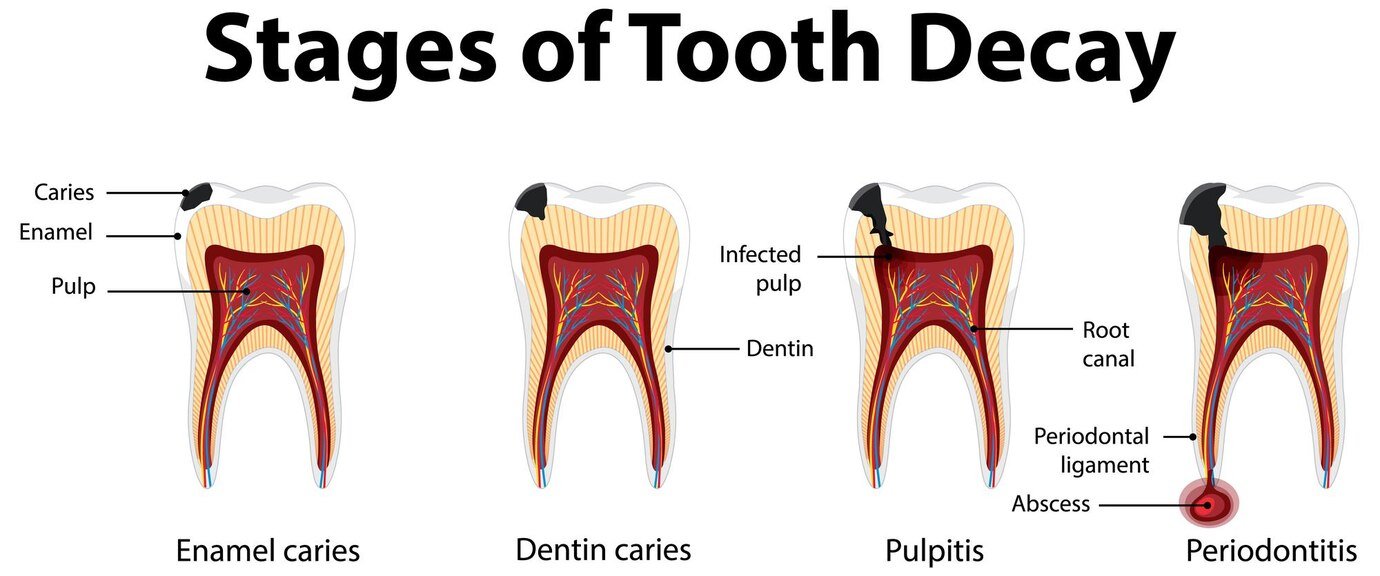
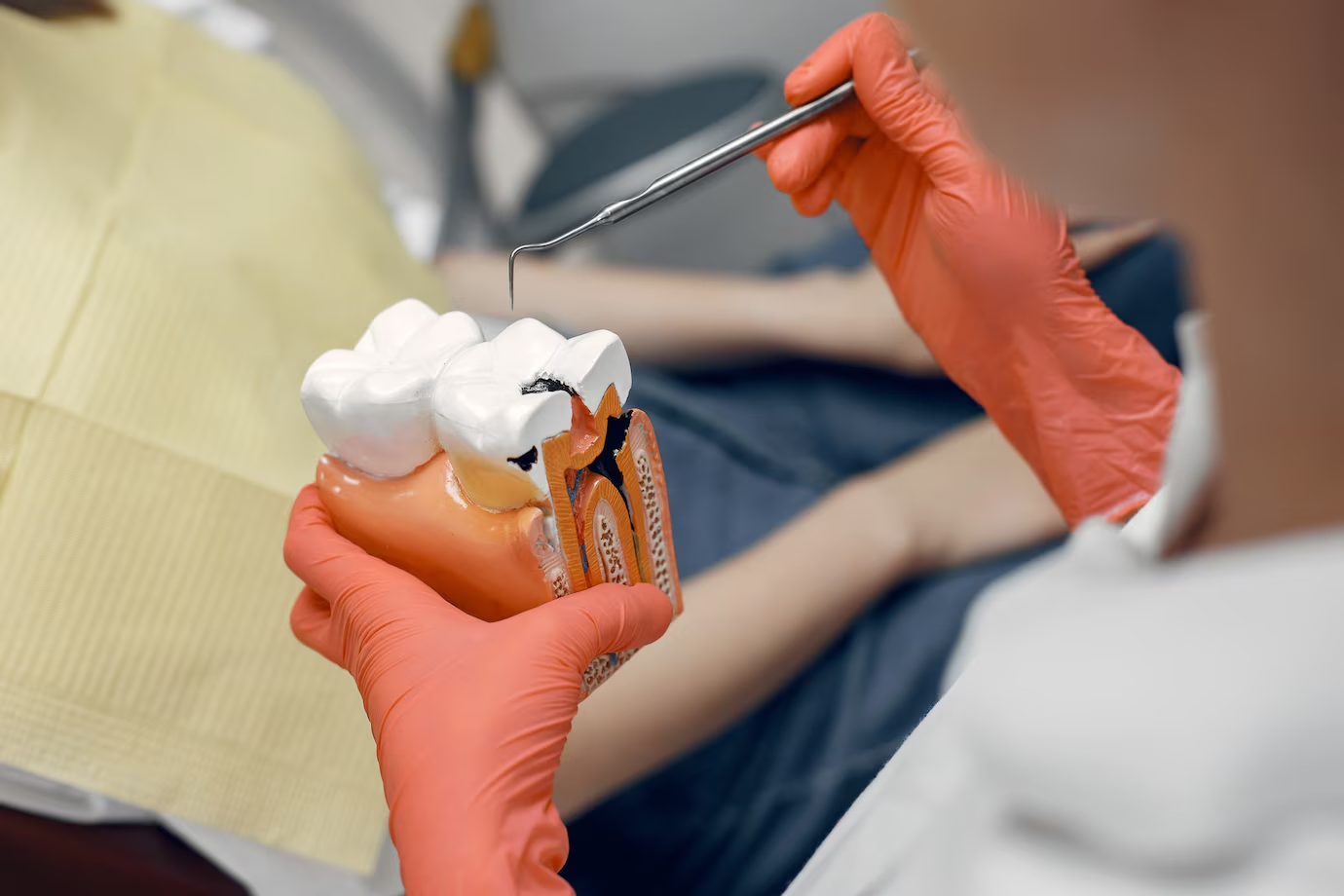
Before we look at the signs,it is essential to understand what happens (or is about to take place) underneath the surface. A root canal situation is an unfortunate intervention performed to save a badly decayed or infected tooth. The root canal procedure includes, 

  • Diagnosis and X-ray:
    The dentist examines the tooth and takes an X-ray to assess the extent of infection and visualize the root canals.

  • Local Anesthesia:
    The affected area is numbed to ensure the procedure is pain-free.

  • Access Opening:
    A small opening is made on the crown of the tooth to access the infected pulp.

  • Pulp Removal:
    The infected or dead pulp (nerve tissue) inside the tooth is carefully removed.

  • Cleaning and Disinfection:
    The root canals are thoroughly cleaned, shaped, and disinfected to eliminate any remaining bacteria.

  • Filling the Canals:
    The empty root canals are filled with a biocompatible material (usually gutta-percha) to seal them.

  • Temporary or Permanent Filling:
    The access hole is sealed with a temporary or permanent filling.

  • Final Restoration:
    A dental crown is often placed over the tooth to restore its strength, shape, and functionality.


Now, let’s talk about what symptoms to watch for.

Signs You Might Need a Root Canal

1. Persistent Tooth Pain That Won’t Quit

That nagging throbbing in your tooth isn’t just coincidental — it’s your body sending you a red flag. Whether it comes while you are eating or lingers in full force when you are sitting still, persistent pain usually indicates an infection welling up inside the tooth pulp. This is amongst the most classic signs that a root canal might be warranted. The earlier you go to a reliable dental clinic in Kuwait, such as Diamond Dental Clinic, the better your chances of being able to save your natural tooth and avoid more complicated procedures.

2. Sensitivity to Hot or Cold Temperatures

Fuming hot cups of tea, or a cold scoop of ice cream, makes you cringe? Infrequent sensitivity is commonplace, but when it is sharp, sudden, and continues much longer after the temperature normalizes, it could signify possible nerve damage internally in the tooth. This is where the understanding of what a root canal is essential. Root canal treatment pulls out the damaged nerve tissue, relieving the sensitivity and then shielding the tooth from more harm. So, if you are experiencing it, rush down to Diamond Dental Clinic, one of the leading Dental Services in Kuwait.

3. Swollen or Tender Gums

Healthy gums go mostly unnoticed until they become tender or swollen. That kind of swelling around a particular tooth usually indicates an infection that has spread beyond the tooth itself into the empty spaces surrounding the gum tissue. At times, you may even see a small pimple-like bump (abscess) on the gums signifying a serious infection. Quick root canal treatment at Diamond Dental Clinic discards the infection right from its source and doesn't allow it to spread further, restoring your oral health.

4. Tooth Discoloration or Darkening

Have you noticed a tooth that appears to be getting darker than the neighboring teeth? Tooth discoloration is not solely a cosmetic problem; it usually indicates some damage or decay to the pulp inside the tooth. This might be a signal for you to consider the necessary steps for a root canal treatment to save the tooth. Our expert team at Diamond Dental Clinic, your dental clinic in Kuwait, can diagnose the problem and advise on the best possible root canal option to bring back the natural beauty and health of your smile.

Why Timely Root Canal Treatment Matters

Ignoring these symptoms can lead to severe infections, bone loss, or even tooth extraction. The sooner you visit Diamond Dental Clinic, the higher the chances of saving your natural tooth.

Our experienced dentists in Kuwait will guide you through each of the root canal treatment steps with care and transparency. We believe in patient education, so you’ll always understand your options and feel confident in your care plan.

Diamond Dental Clinic: Your Partner for Root Canal Procedures in Kuwait

Choosing the right dental clinic in Kuwait is crucial for your peace of mind. At Diamond Dental Clinic, we combine advanced technology with a compassionate approach to make your root canal procedure as comfortable and efficient as possible.

Whether you’re seeking Dental Services in Kuwait for preventive care, cosmetic dentistry, or urgent root canal treatment, our team is dedicated to your oral health. We’re proud to be a trusted name when it comes to restoring healthy, confident smiles.

Final Thoughts

Knowing what root canals are and being aware of their early symptoms can save your tooth. If you experience any of these symptoms, do not wait for the pain to intensify.

Visit Diamond Dental Clinic — your reliable dental clinic in Kuwait — for expert diagnosis and timely treatment. Let us help you preserve your smile with our comprehensive Dental Services in Kuwait, including expert root canal treatments.

Your comfort is our priority. Book your consultation today and take the first step toward a healthier, pain-free smile.

What Is The Best Dental Treatment For Gum Disease?

Gum Disease Treatment

Our mouth is the home of a lot of bacteria. It has good and harmful bacteria. The good bacteria can be found in the saliva that helps in the digestion of the food, while the harmful bacteria are responsible for a lot of diseases. The food that is stuck in between your teeth, sometimes even after brushing and flossing, gives birth to this bad bacteria, and this bacteria can lead to a lot of infections in the mouth and gums, from ulcers to periodontitis. 

Depending on the type of infection or disease that you have, there are several ways that you can get treated. There are home remedies for simple infections that work wonders, while there are a few infections that need you to go visit the dentist to get them cured. With this, you will understand the different gum infections, ranging from mild (can be treated at home) to severe (needs surgical treatment).

Mild Gum Infections – Gingivitis

Infections like Gingivitis are very easy to treat with a few simple remedies. If the Gingivitis is in its early stages, you can easily cure it with a salt-water rinse, which helps promote healing and reduce inflammation. You can also try applying turmeric or aloe vera to the affected area, and the infection will be gone in a few days. Oil pulling and antibacterial mouthwashes destroy the existing germs and stop their growth, helping you get better faster.

Gingivitis is identified by red or swollen gums, bleeding while brushing or flossing, persistent bad breath (halitosis), and mild gum tenderness. There is no pain, only some minimal discomfort that one might experience. If you don’t know what to look for, mild gingivitis is sometimes not even noticed.

Moderate Gum Infections – Mild Periodontitis or Advanced Gingivitis

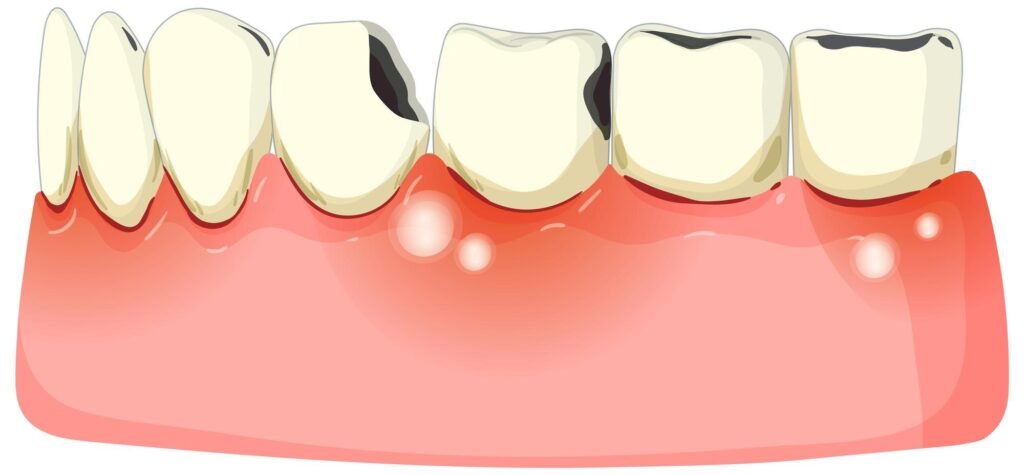
If gingivitis is not treated at its initial level, then it can progress into mild periodontitis. Periodontitis is identifiable because of receding gum line, or where the gum line is pulling back from where it used to be, or swollen gums in certain cases. Tartar build-up near the gumline that doesn’t go away even after brushing, and small pockets that weren’t there before form between the gums and teeth. Because of the receding or swollen gums, the gums experience increased sensitivity that could cause bleeding at times.

Mild to moderate periodontitis can be treated with non-surgical procedures. Getting your teeth professionally cleaned can help remove the tartar build-up and plaque from near the gum areas. You can try scaling and root planing, which helps the infection from spreading and affecting the other gums. You can also try laser therapy, which reduces the growth of bacteria and promotes gum healing. Once done, all these procedures leave the gums sore for up to 24 hours, after which your gums return to their normal health. However, if you don’t want to try these procedures, there are certain antibiotics that you can get that help control the bacteria and promote healing in the infected areas. 

Severe Gum Infections – Advanced Periodontitis

If periodontitis is not treated in its early stages, it can escalate to advanced periodontitis, which could cause people to lose teeth because of how loose the gums or the tooth sockets are. It also causes pus between the gums and teeth and severe pain while chewing. It also causes loss of jaw that is not seen with the naked eye but is visible in X-rays of the mouth.

Advanced periodontitis is not curable without surgery. Gum grafting, where the receding gums are repaired with donor tissue, and bone grafting, where the bone lost because of the infection is rebuilt, are the most used procedures to revive your dental structure after advanced periodontitis. However, other options include guided tissue regeneration, where the bone and gum tissues are regrown surgically, or flap surgery, where the gums are lifted, and the plaque and tartar that is invisible to the naked eye is cleaned, allowing cell and tissue regeneration.

Conclusion

If you experience any of the symptoms mentioned above, it is best to approach a dentist and get your teeth and gums checked. If you notice pus formation or abscess in the gums, experience severe pain or bleeding while eating, or experience persistent bad breath and bleeding even after brushing and flossing, it is pertinent that you get professional help.

These conditions can become dangerous if not treated properly and can cause you to lose all your teeth. Diamond Dental is a reputed dental clinic that has been dealing with these issues and has experience treating them without increasing them. If you need professional medical help regarding Gum Treatments in Kuwait, visit Diamond Dental for safe and promised dental solutions.

What Is The Difference Between Restorative And Conservative Dentistry?

Conservative vs Restorative Dentistry

It is said that your smile is the first thing someone notices about you. In this situation, having a healthy smile becomes important. It is important that you take care of your smile, and that requires regular brushing and flossing, as well as sometimes even treatments to ensure that there are no issues with your teeth.

In dentistry, there are two main types of dental treatments that all other treatments can be categorized into. Conservative Dentistry focuses more on conserving what is already there, like the natural tooth structure, and Restorative Dentistry focuses more on repairing or restoring what might be harmed.

What Is Conservative Dentistry?

Conservative dentistry, as the name suggests, focuses more on conserving what is naturally occurring. It emphasises the preservation of natural tooth structure while treating decay and minor damage with minimal impact on the surrounding tooth bed and gums. The goal of conservative dentistry is to allow teeth to function naturally while minimising any external damage that can be caused by bacteria and infections. It ensures that the tooth remains functional and intact for as long as possible.

In addition to preserving the natural structure, conservative dentistry often employs modern techniques and materials that prioritise patient comfort and long-term health. Techniques such as minimally invasive procedures and the use of biocompatible materials help achieve restorative goals without compromising the tooth integrity. Furthermore, conservative dentistry encourages regular check-ups and personalized oral hygiene practices, enabling early detection of issues and proactive management of dental health. This holistic approach not only maintains the functionality of teeth but also promotes overall well-being by reducing the need for more invasive treatments in the future. 

Common Procedures Under Conservative Dentistry

  • Dental Fillings – Dental fillings focus on filling the missing part of the tooth instead of replacing the whole tooth. As a result, the natural structure and nerves connected to the root remain intact making it a part of Conservative Dentistry.
  • Fluoride treatments – Flouride treatments are used to strengthen the tooth enamel preserving the natural tooth. They also prevent cavities and early decay.
  • Sealants – Sealants, as the name suggests, are used to seal the teeth in the way they are for a few years. They help preserve the tooth for a longer time and prevent any external bacteria from affecting the teeth. With sealants, a layer is added between the teeth and the external bacteria that protects the teeth and destroys the bacteria.
  • Inlays and Onlays – Inlays and onlays are used when fillings are lacking. They restore the tooth to its original structure without the need for a crown placement.

What Is Restorative Dentistry?

Restorative dentistry, on the other hand, depends on repairing what is broken or damaged to restore the teeth’s aesthetics and functionality. Generally, when the damage is too severe to be fixed with conservative dentistry, dentists use restorative dentistry to fix the damage and return your smile to its functionality. Where conservative dentistry fails, restorative dentistry fixes the damage and makes it as good as new. 

In addition to repairing teeth, restorative dentistry encompasses various techniques and treatments tailored to individual patient needs. These may include crowns, bridges, dentures, and dental implants, each designed to enhance both the appearance and strength of the teeth. The goal of restorative dentistry is not only to repair damage but also to prevent further issues, ensuring long-term oral health and a beautiful, confident smile. 

Common Procedures Under Restorative Dentistry

  • Crowns – When tooth damage is  very severe and it cannot be restored with fillings, inlays or onlays, crowns are the way to go. Dental crowns are a type of cap that is fixed over the existing tooth to restore the tooth. To do this, all the internal damage is first cleaned and filled to minimise bacteria formation.
  • Bridges & Implants – Dental bridges are similar to crowns but come in handy when multiple teeth next to each other are damaged. The bridge is placed on these teeth to hide the cavity and damage to the natural teeth. Implants on the other hand are used to replace the old tooth completely. When a tooth is not functional whatsoever, and is causing more damage to the teeth around it, dentists often remove this tooth completely and replace it with an implant to restore the aesthetics and functionality of that tooth.
  • Dentures – Dentures are external or removable teeth that can be placed on damaged teeth when needed and stored safely with the patient at other times. They are generally used for multiple missing or damaged teeth.
  • Root Canal –  A root canal is when the infected pulp of a damaged tooth is removed and replaced by a material that restores the function of that tooth.

Conclusion

Whether you choose restorative dentistry or conservative dentistry to fix your teeth is up to you. But remember that your smile could create a lasting impression on people you meet. To have a bright and perfect smile, contact Diamond Dental today.

Does Dental Cleaning Whiten Teeth?

Dental Cleaning

A bright white smile is the first thing people notice when you greet them. It is a sign of health and wealth and is associated with good oral habits. Dental cleanings are used to clean teeth and maintain oral health instead of whitening the teeth. While cleaning does help brighten the smile, if there are stains that are deep and not surface level, a normal cleaning cannot remove them.

What Is Dental Cleaning?

Dental cleaning is a procedure performed by a professional dentist that removes plaque, tartar build-up, and surface-level stains that normal brushing and flossing cannot eliminate. Dental cleaning is essential to avoid gum infections and major mouth diseases, maintaining overall oral health.

What Happens During A Dental Cleaning?

  1. Scaling: The first step of dental cleaning is scaling. This step includes the removal of tartar and the plaque that has built up on the tooth.
  2. Polishing: During this step, a gritty paste is used to remove the stains and smoothen out the enamel of the teeth.
  3. Flossing & Rinsing: This step eliminates the debris and bacteria on and between the teeth.
  4. Fluoride Treatment (Optional): The last step is a part of the teeth whitening step that is often skipped by dentists if you don’t request it specifically. This step is used to help strengthen the enamel and prevent future staining.

Can Dental Cleaning Whiten Teeth?

Yes. Dental cleaning can help whiten the teeth a couple of shades. It makes the teeth look brighter and cleaner. However, it doesn’t provide the same results as teeth whitening, as a cleaning only cleans the surface level stains. Stains like coffee, tea, wine, and tobacco are lifted as they are all surface-level. The yellowish tartar and plaque built on the teeth when not cleaned for a long time, is also cleaned. Polishing the teeth smoothes out the enamel, giving a cleaner and more even look. However, if there are stains that are deeper than the first level, cleaning them is insufficient and teeth whitening procedures are needed to remove these stains.

How To Keep Teeth Whiter After Cleaning

  • Regular brushing and flossing
  • Avoid stain-causing foods
  • Use whitening toothpaste
  • Visit your dentist regularly (at least twice a year

Conclusion

While dental cleaning significantly improves the look of your teeth, if your teeth have deeper stains or other problems, then a thorough dental appointment is needed to take care of all the ailments you might have. Book your appointment with Diamond Dental today, to get a thorough check-up.

What Is Done During A Dental Cleaning?

Dental cleaning in Kuwait

A smile that is bright and healthy is more likely to create a positive impression than one that is decayed and yellowed. A healthy smile is the sign of good health and overall hygiene. As a result, regular dental cleanings are necessary to ensure that your smile keeps looking healthy and stays the same for as long as possible. But a lot of people get nervous when they hear about dental cleanings. So here is a step-by-step breakdown of what exactly happens during a dental cleaning to help reduce your stress about it.

What Is Dental Cleaning?

A dental cleaning done by a professional dentist or hygienist removes tartar build-up from teeth, reduces tooth yellowness, and ensures that no other hygiene-related issues arise.

Process Of Dental Cleaning

  1. Initial Examination

The first step of a dental cleaning is the initial assessment that the dentist performs with a mirror to be able to see the interior of your mouth to determine how to go about the cleaning. This process also lets the dentist know of the tartar build-up and the plaque that is collected on your teeth. It also helps the dentist determine if you have any problems like gingivitis, decayed teeth, or other potential health concerns.

If that is the case, then these issues need to be addressed first before the cleaning is done as they may hinder the process or cause an unappreciated reaction. Once these concerns are taken care of, the dentist then begins the process of cleaning.

  1. Scaling

Once all issues are addressed and treated, the cleaning officially begins. The first step of dental cleaning is called scaling. Scaling refers to the removal of plaque and tartar from your teeth with the help of a tool called the scaler. This step also ensures that any build-up around the gums is also taken care of. The tartar is removed by the scaler as it cannot be removed by normal brushing because of how hard it is. 

  1. Deep Cleaning Between Teeth

After scaling the teeth and near the gums, the dentist will then proceed to clean between your teeth for any debris left behind. This is often done with the help of a floss, which ensures that anything that has been stuck between your teeth is also removed, reducing the risk of gum infections.

  1. Polishing and Stain Removal

After the cleaning is complete, the next step is to polish the teeth. This step has the dentist grabbing an electric toothbrush along with a gritty toothpaste to remove any imperfections from the surface of the teeth. This step helps smoothen out the uneven enamel and brightens the teeth. It enhances the natural colour of the enamel under the staining and plaque that had previously been on it.

  1. Fluoride Treatment

This step is optional and is only done if you specifically ask your dentist to do it. In this step, the dentist does a fluoride treatment that helps strengthen the tooth enamel. This helps the teeth to maintain the natural shape and structure and prevents cavity formations. The fluoride gel that is put on your teeth for this part of the procedure is rinsed off, giving you a bright and beautiful smile.

  1. Final Examination

After your teeth are cleaned and polished, the dentist will once again perform a check-up to ensure that no part of the tooth is left uncleaned and to ensure that there are no signs of any infections or other oral concerns. The dentist then informs you of proper brushing and flossing techniques and if required, schedules your next appointment.

Advantages Of Dental Cleaning

  • Prevents cavities and decays
  • Removes tartar and plaque build-up
  • Improves overall oral health
  • Strengthens the tooth enamel
  • Improves your breath
  • Gives a cleaner and brighter smile
  • It is helpful to detect any other oral issues

Conclusion

Dental cleaning is a very quick and painless procedure that can help boost your oral health for a long period to come. It is important that you get your teeth cleaned at least once a year to get consistent results and optimum oral health.
Book your teeth cleaning appointment today with Diamond Dental!

Your Perfect Diet Plan After A Root Canal

Foods to avoid after a root canal

A root canal is a common dental procedure that is meant to save an infected or damaged tooth. Though the procedure itself alleviates pain and halt further decay, proper aftercare is very important to ease recovery. One of the main elements concerning recovery is a suitable diet for the healing process and minimized discomfort. This article will incorporate good diets during the post treatment after a root canal including foods to eat and avoid for healing.

Why Diet Matters After A Root Canal?

Post root canal treatment your tooth and surrounding tissues need rest to heal. Wrong choice of foods would otherwise result in irritation, increased sensitivity, and in some cases, infection. Conversely, healing is hastened, inflammation decreased, and complications prevented through the right choice and consumption of foods.

Post-Root Canal Diet: Foods For A Smooth Recovery

A soft, nutritious diet is indeed significant after root canal treatment for smooth recovery and healing. Here are some of the suggested delicacies to be incorporated into your post-root canal diet: 

  • Soft fruits: Bananas, applesauce, mashed avocado, and soft berries, such as strawberries, raspberries, and blueberries, will provide the fruits that are required and sweet tooth fulfilled without causing any harm to the sweet cravings.
  • Cooked vegetables: Puree vegetable soups, like mashed potatoes, steamed carrots, and soft-cooked squash, are examples of gentleness among the healing gums providing nutrient-rich foods.
  • Rich-protein foods: Soft-boiled or scrambled eggs, soft shredded chicken or fish, tofu, Greek yogurt, and cottage cheese provide enough protein without straining the teeth.
  • Dairy-rich and calcium-rich foods: Milk, soft cheese, smooth yogurt, and calcium-fortified plant-based milk (almond, soy, or oat) are also easier on the mouth as they favor healing.
  • Whole Grains: Oatmeal, soft bread, well-cooked pasta, and rice contribute their share in fibers and energy without the possible aggravation of gums. 
  • Hydrating & Healing Fluids: Herbal tea, warmer broths, and smoothies are soft, seedless, and smooth-textured healers. They also offer hydration and nourishment. Not only does water contribute greatly to recovery, but it is also marvelous.

These soft nutrient-dense foods take you through the healing and recovery process smoothly and comfortably after your root canal procedure.

Foods to Avoid After a Root Canal Treatment

It is very important to take care of your diet after investing in root canal treatment to recover from it. Certain food may help one in healing, while others would hinder recovery. Here are the necessities of foods to avoid during the healing period: 

  • Hard and Crunchy: Nuts, chips, popcorn, hard but raw vegetables-orders like carrots and celery may cause unnecessary pressure on the treated area and can be painful or even injurious. So one should consume soft foods with a gentle chewing. 
  • Sticky Foods and Chewy Foods: These types of food can stick to the tooth surfaces which can lead to increase-in discomfort or risk of irritation.
  • Hot and Spicy Food: Curries, hot sauce, and chilies tend to irritate sensitive healing areas in the mouth thereby increasing pain during recovery, and as such, milder tastes are more advisable during this time. 
  • Acid and Fizzy Drinks: Dressings based on vinegar, sodas, and other acidic beverages can increase sensitivity and therefore induces a burning feeling and sometimes pain.
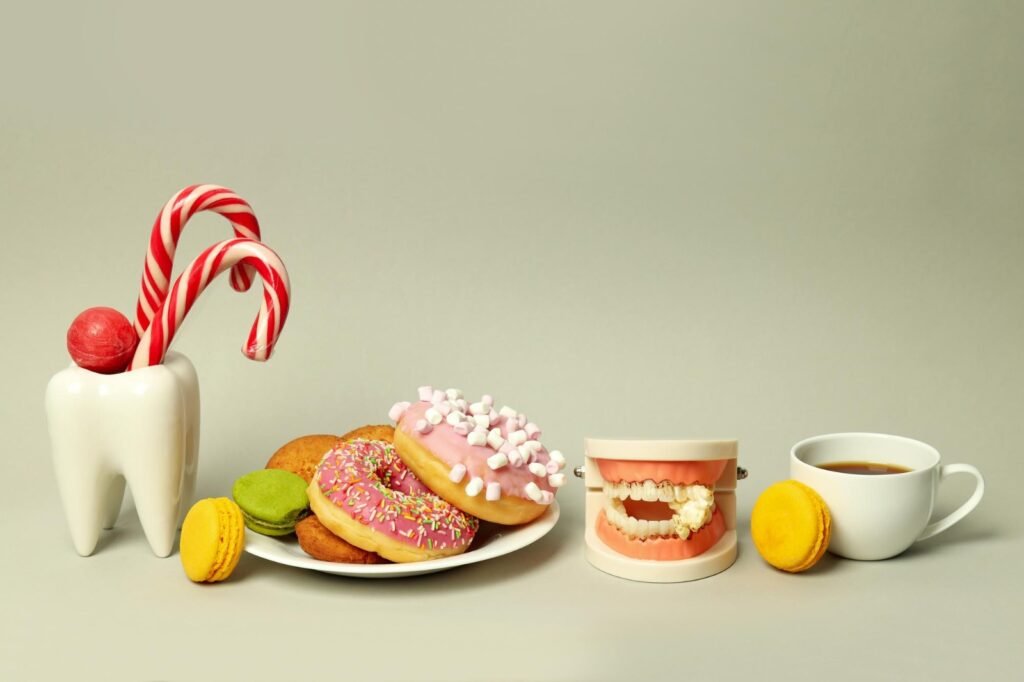
  • Sugary and Processed Foods: Processed and sugary such as cereals, sweets, and snacks really worsen inflammation and sensitivity and thus slow the healing process. 
  • Alcoholic and caffeinated beverages: Such drinks as coffee, energy drinks, and alcohol will only further aggravate the condition and delay healing. Water or herbal teas are safer and will soothe the mouth. 

You can then avoid these foods and drinks for your comfort and fast healing after root canal treatment.

Additional Tips For A Smooth Recovery

  1. Small, Frequent Meals should be consumed – Do not put pressure on the healing tooth with large meals; serve smaller portions instead. 
  2. Chew on the Other Side – This will prevent irritation and minimize discomfort. 
  3. Say No to Straws – Straws place pressure on the mouth and could dislodge anything while in the process of healing. 
  4. Hydrate yourself- This is essential for the tissue reparative function and general state of health. 
  5. Obey the Dentist’s Instructions- It is your duty to always follow post-op instructions for proper healing.

Conclusion

Recovering from a root canal requires mindful eating habits to support healing and prevent complications. Focusing on soft, nutritious foods and avoiding irritants can ensure a smooth recovery and help you return to your normal routine faster. If you have any concerns about your diet or healing process, consult your dentist for personalized advice.For expert dental care and guidance, visit Diamond Dental, with branches in Jahra, Fahaheel, and Riggae. Our experienced team is here to help you achieve optimal oral health and comfort after treatment. Schedule your appointment today!

What Is The Difference Between Dental Implant And Dental Prosthesis?

Dental implants in Kuwait

Dental implants and prostheses are two common ways of replacing teeth. Both methods serve the purpose of ensuring the smooth functioning of the mouth and enhancing its functionality. Yet, they differ in structure, procedure, longevity, and indications for use. Understanding these differences will help one to make an informed choice regarding his or her dental requirements.

What Is A Dental Implant?

A dental implant is a definitive solution for tooth replacement. It comprises a titanium post surgically embedded into the jawbone. It acts as a fake root supporting a crown, bridge, or denture over time, undergoing osseointegration, whereby the implant fuses with the bone to provide a solid and stable base for these replacement teeth.

Types Of Dental Implants:

  • Endosteal implants: These are the most widely used dental implants. They are surgically implanted into the jawbone and function as an artificial root structure, supporting crowns, bridges, or dentures. 
  • Subperiosteal implants: They are placed under the gum but over the jawbone and are suitable for patients with insufficient bone who cannot undergo bone grafting. 
  • Zygomatic implants: Rather rare, these implants are secured in the zygoma or cheekbone, as opposed to the jawbone, when severe bone loss of an upper jaw occurs. 
  • Mini dental implants (MDIs): These implants have a smaller diameter than conventional implants. These are used primarily to stabilize dentures with less invasive surgical manipulation.

Procedure For Placing Dental Implants

  1. Initial Consultation: The dentist evaluates oral health, takes X-rays, and determines if the patient is a candidate for implants.
  2. Implant Placement: The titanium post is surgically inserted into the jawbone under local anesthesia.
  3. Healing Period: The implant integrates with the bone over a few months.
  4. Abutment Placement: A small connector is attached to hold the artificial tooth.
  5. Final Restoration: A custom-made crown, bridge, or denture is attached for a natural-looking result.

Advantages Of Dental Implants:

  • Durability: Can last a lifetime with proper care.
  • Stability: Fuses with the jawbone to prevent movement.
  • Bone Preservation: Stimulates bone growth and prevents loss.
  • Natural Appearance: Looks and functions like natural teeth.
  • Comfort: Designed to fit comfortably in the mouth.
  • Functionality: Allows for normal chewing and speaking.
  • Easy Maintenance: Requires regular cleaning, just like natural teeth.

Disadvantages Of Dental Implants:

  • Surgical Procedure: Requires minor surgery for placement.
  • Higher Cost: More expensive than traditional prostheses.
  • Longer Healing Time: Osseointegration can take several months.

What Is A Dental Prosthesis?

A dental prosthesis refers broadly to any artificial device specifically designed to replace teeth that may be absent. Removable dentures, temporary fix bridges, and crowns all fall into this kind of prosthetic category- those supported in turn by natural teeth or dental implants.

Types Of Dental Prostheses:

  • Dentures-Removable appliances replacing multiple missing teeth.
  • Bridges-Fixed prostheses usually supported by adjacent natural teeth.
  • Crowns-Caps placed on top of damaged teeth or implants.

Procedure For Getting A Dental Prosthesis

  1. Consultation and impressions: The dentist will take impressions of the teeth in your mouth to design a custom prosthesis. 
  2. Tooth preparation (if indicated): Adjacent teeth may be reshaped for attachment of crowns and bridges. 
  3. Prosthesis fabrication: The dental lab fabricates the prosthesis from impressions.
  4. Fitting and adjustments: The prosthesis is fit, adjusted, and then cemented or placed securely.

Advantages Of Dental Prostheses:

  • Non-surgical: Usually there is no need for surgery to fit any type of prostheses. 
  • Cost-Effective: Usually cheaper than implants.
  • Quick Solution: Prostheses take less time to make, and less time to insert than implants.
  • Customizable Design: Prostheses are usually customizable according to individual requirements and preferences. 
  • Less Invasive: The procedure accounts for reducing the risks associated with surgical measures. 
  • Less Maintenance: Usually, the ongoing maintenance of prostheses is less than for implants.

Disadvantages Of Dental Prostheses:

  • Less Stability: Removable options may shift or cause discomfort.
  • Bone Loss: Does not stimulate the jawbone like implants.
  • Shorter Lifespan: Requires periodic replacement or adjustments.

Which Option Is Right For You?

Unit choice is determined by a variety of aspects such as oral health, finance, and personal preferences: 

  • A dental implant is very long-lasting, stable, and highly functional.
  • A dental prosthesis can fit one who requires a cheaper and nonsurgical option, especially if tooth loss is multiple and practical insufficiency of bone for implants is considered.

Factors To Consider When Choosing Between Implants And Prostheses

  1. Bone health: The jawbone may need a bone graft for the placement of an implant in an area with considerable bone loss.
  2. Budget: Implants are more expensive because of long-lasting results, while prosthetics are cheaper but may have to be replaced every 5-10 years
  3. Aesthetic Needs: The implants look natural, while certain prosthetics do not blend in quite as well.
  4. Oral Hygiene Commitment: Implants require very careful maintenance, while dentures and bridges may differ in care. 
  5. Comfort Level: Implants feel more natural, whereas some prosthetic replacements might take time to adjust to.

Visit Diamond Dental For Expert Dental Care

For dental implants or prosthesis, I suggest you visit Diamond Dental. It’s probably the best place for a specialist consultation and all-round treatment. There are clinics at Jahra, Fahaheel, and Riggae. Our well-trained dentists will devote themselves to restoring your smile by offering the best possible facilities in dentistry. Please book an appointment today to start the voyage to a healthier and more confident grin.

What Is The Best Treatment For Teeth Whitening?

Best Treatment For Teeth Whitening in Kuwait

A flawless white smile is generally seen as a symbol of good health, beauty, and confidence. Unfortunately, over the years, aging, diet, and some lifestyle habits have begun to take their toll on natural tooth whiteness, leaving behind stained or discolored teeth. If you have been wondering which one is the best treatment for teeth whitening, you are not alone. However, there are quite a promising number of methods with high efficacy that can help you restore the brightness of teeth and regain your shining smile. 

Diamond Dental provides a variety of whitening treatments for you to achieve that smile you have wanted for so long. With so many options, it may get somewhat confusing to find out which treatment is most suited to your needs. In this blog, we are going to take a look at widely available teeth whitening methods and their benefits and which ones may well be right for you.

Why Do Teeth Become Discolored?

The best treatments for teeth should show some importance after talking about what makes them discolored. Here are some causes of tooth discoloration: 

  • Age: As teeth age, the enamel wears down, at times revealing the yellowish dentin lying below. 
  • Diet: Foods and drinks that may stain one’s teeth include coffee, tea, red wine, and some berries after prolonged use. 
  • Tobacco Use: These are usually related to smoking and even chewing because tobacco stains are stubborn. 
  • Poor oral hygiene practices such as brushing and flossing irregularly, and even absence from the dentist for cleaning, allow the accumulation of plaque, which makes your teeth much darker or stained. 
  • Genetics: People tend to be genetically programmed to darken their teeth with age or to have thicker enamel that in turn tends to contribute to the brightness of their smile.

The reason for teeth discoloration determines the very treatment you will choose to get the most proper whitening experience out of it.

Top Teeth Whitening Treatments

Now that we understand the reasons behind tooth discoloration, let’s take a look at some of the best teeth whitening treatments available:

1. Professional In-Office Teeth Whitening

In-office professional teeth whitening is among the foremost ways to achieve the smile you have always desired. This treatment is provided by a dentist, like one of ours at Diamond Dental, and is tailored specifically to your needs. Various types of applications of strong whitening gel to your teeth activate it with a special light. The effect is instant, with several shades lightening within about an hour. Thus, professional whitening is an excellent way to go for those wanting quick and visible results, especially with an event coming up, perhaps a wedding or job interview.

2. Take-Home Whitening Kits from Dentists

Whitening Kits are very good alternatives if you like to whiten your teeth at home. Most kits will have a whitening gel or strip that can be applied directly on teeth and wait for a certain amount of time. Whereas results may take longer to show with at-home kits compared to professional office procedure, they will focus on producing visible and effective whitening when used as directed. 

Diamond Dental has customized take-home whitening kits designed to meet your needs. Oftentimes, they include custom trays fabricated for an even distribution of the whitening gel offering even and controlled results.

3. Whitening Toothpaste

The whitening toothpaste is a great option for people with minimal staining or the ones wishing to maintain a white bright smile. Though the whitening toothpaste hardly makes drastic improvement, it cleans up superficial staining caused by excessive drinking, smoking, or food. 

The whitening toothpaste is applied with mild abrasives or chemical agents to gently scrub away the surface. Every whitening toothpaste cleanse the surface stains but is less effective for deep stains or intrinsic discoloration. Deep stains may require a professional’s help for more change.

4. Whitening Pens

For a more portable option, whitening pens provide a handy solution. The whitening gel in the pens can be easily applied to the teeth. Small enough to be carried anywhere alleviating any touch-up requirements. The results from whitening pens would not be as extraordinary as those obtained with an in-office procedure, but they work well for minor maintenance or touch-ups in between professional services.

5. Natural Remedies for Whitening Teeth

Among natural teeth-whitening options, home remedies seem to be relocating, providing such products as baking soda, activated charcoal, and coconut oil. All of these ingredients help remove surface stains and also gradually enhance the overall appearance of tooth finding. They might bring some benefits of whitening, but not close to the strong effectiveness of a professional whitening treatment. Natural cures work slowly and may not be effective for deep stains or long-lasting results. Professional-grade whitening remains the best option for pleasing, bright, immediate notice.

You can always check with your dentist at Diamond Dental before trying any natural remedy, as some can cause abrasion, which could wear down tooth enamel.

Transform Your Smile With Diamond Dental’s Teeth Whitening Solutions

Smile with confidence and pride! At Diamond Dental, we provide professional teeth-whitening treatments for the specific needs of each patient. You may choose to undergo in-office whitening for fast results or take a kit home for gradual whitening; either way, our professionals will guide you through the procedure safely and effectively. We assure the best whitening experience through state-of-the-art technology and truly personalized care. If you are undecided about which option would be best for you, whichever one you choose, our dentists will examine your smile and advise which treatment will yield the optimum results.

Conclusion

The perfect teeth whitening procedure matches your needs, budget, and desired results. While professional whitening will give you the fastest and best results, home kits and over-the-counter options are much more affordable. Natural remedies can keep the tone bright but aren’t as whitening effective.

If you need safe and effective teeth whitening, visit Diamond Dental to find the best option for you. With proper treatment and care, you can enjoy that perfect smile, where pearly whites reflect confidence. Schedule your appointment today and start on your path to whitening your teeth!

What Are The Do’s And Don’ts After Tooth Extraction?

Expert dental consultant in fahaheel

Dental extractions consist of a commonplace procedure to alleviate pain or avert future complications. Healing, however, is equally important as the procedure. Adhering to aftercare instructions will not only make recovery smooth and quick for uncomplicated dental extractions but also for more complex ones.

After the tooth is taken out, everybody is going to wonder, “What can I do to foster healing?” It is not just “take it easy”; it is also to make sure the right steps are taken. In this blog, we will discuss the do’s and don’ts after a tooth extraction, in order to help you avoid complications and get ready to smile with confidence. With the expert assistance available at Diamond Dental
you’re in good hands every step of the way
Do’s After Tooth Extraction: Key Steps for a Smooth Recovery

The right aftercare can speed up the healing process, reduce discomfort, and prevent unnecessary complications. Here’s what you should do after your dental extraction:

1. Bite on the Gauze Pad for Pressure

Directly after tooth extraction, your dentist will lay a gauze pad over the site to stop any bleeding. There’s gentle biting pressure against gauze; keep it there for 30 minutes to an hour. Replace it with a new pad if fresh bleeding continues. The blood clot formation is necessary for healing and gauze keeps it from unnecessary bleeding.
2. Elevate Your Head

For the first night after your tooth extraction, the head should be propped up with a pillow while lying down. Elevation aids in swelling reduction and discomfort. If you sleep flat, the chances of swelling and bleeding are greater because blood pools in the area of extraction, so keep your head slightly raised.
3. Stay Hydrated

It’s important to make sure that you’re well hydrated after you’ve had your teeth extracted, because the more that you drink, the faster you will heal. Don’t use a straw for at least 48 hours, as this will suck the clot out and lead to a painful dry socket that will also hinder the healing process.

4. Apply Ice for Swelling Relief
Swelling is normal for most people, especially after dental extraction. An ice pack can be applied to your face about every fifteen minutes during the first day to minimize the swelling and pain. Just wrap that ice in a cloth so there is no direct contact with the skin and allow for a break between the applications.
5. Soft Food and Cool Food Should Be Consumed 

For the first few days after tooth extraction, please stick to a soft diet. Foods such as mashed potatoes, yogurt, soups (warmed to body temperature), and smoothies. Avoid hot, crunchy, or spicy foods which irritated the site of extraction. When you consume things that require very little chewing, it helps you in not stressing the area while it heals. 

6. Follow Medication Instructions

Your dentist may prescribe certain pain medications or antibiotics after tooth extraction. You should take the drugs as prescribed. Pain is managed with such medications while the other prevents infection. Never skip a dose unless you are absolutely okay on the inside and do ensure that you finish the whole course when taking antibiotics.

7. Gently Rinse with Salt Water

Starting from day two, you may begin gently gargling with warm saltwater (1/2 teaspoon of salt dissolved in a cup of warm water) for cleansing the area, reducing bacteria, and accelerating healing. You should treat this area gently to avoid displacing the blood clot.

Don’ts After Tooth Extraction: What to Avoid for Faster Healing

While there are several things you should do after your tooth extraction, there are also things you must avoid to ensure a smooth recovery. Here’s a list of the don’ts:

1. Don’t Smoke

After a tooth extraction, smoking greatly increases the chances of developing dry socket. The sucking action from inhaling smoke can dislodge the blood clot that helps healing. So better not to smoke for at least 72 hours after the procedure to ensure the best recovery.

2. Don’t Touch the Extraction Site

While it may be hard to resist, don’t touch the extraction site with fingers or tongue. Doing so can introduce bacteria into the area and increases the chances of infection. It’s best to let your mouth heal undisturbed, so refrain poking and prodding at the site.

3. Don’t Eat Hard or Sticky Foods
Be on your way for the first few days to avoid food that is hard, chewy, or sticky, as they can disturb the extraction. Nuts, candy, chips, and even chewy bread can injure the healing tissue or get stuck in the wound, resulting in pain or infection. 

4. Don’t Do High-Impact Activities
High-physical activities such as exercise, lifting heavy objects, or anything that increases the heart rate should be avoided. Exercise increases blood pressure and destabilizes the blood clot, which can result in bleeding. Hence just rest in the first couple of days after the procedure. 

5. Don’t Drink Alcohol
Alcohol dehydrates you, interferes with your medications, especially painkillers and antibiotics, and increases the risk of bleeding. So just avoid drinking alcohol for 48 hours after your extraction to enable quick healing. 

6. Don’t Lie Down Immediately After Eating

Avoid lying down right after eating. This may increase the chances of dislodging the clot or sending an uncomfortable signal to the body. The ideal time to wait before recline is at least 30 minutes to an hour after eating, allowing your body to digest properly.


When To Seek Help?

Although the majority of dental extractions tend to heal without any complications, there are certain warning signs that patients should be aware of. These warning signs can indicate that a patient may need some kind of intervention by a dental expert. It is important to observe these warnings early to have a trouble-free post-recovery period.

Signs to Watch For:

  • Excessive Bleeding That Doesn’t Stop After a Few Hours
  • Severe or Worsening Pain After 2-3 Days
  • Continued Bad Taste or Odor in the Mouth
  • Swelling That Worsens Instead of Improves

Fever or Chills, Indicating a Possible Infection
Expert Tooth Extractions and Care You Can Count On

Diamond Dental takes pride in not only performing the proficient tooth extractions but also providing comprehensive aftercare.  The dentists here are very experienced and will guide you through the stages of the procedure so that you understand what is allowed after treatment and what is not. Proper aftercare is essential in our view because it prevents complications and supports your fast recovery.
Diamond Dental combines the latest technologies and a compassionate team with a focus on patient comfort to ensure the best care during and after dental extractions. In this way, we ensure that every phase of your journey with us leaves your smile bright and healthy.
Conclusion

Tooth extraction recovery does not need to be painful or complicated. It does require following all the do’s and don’ts as prescribed by the dentist. Following this will promote faster healing, avoiding common complications such as dry socket or an infection. From maintaining proper hygiene to eating soft foods and taking prescribed medications, each step you take will help ensure your recovery is smooth and speedy.

Most important to remember:- In case of any concern, inquiry, or notice of anything unusual, including pain or swelling, please contact Diamond Dental immediately. Our team is always available for expert care and supportive recovery.