logo
logo

Need Help? Chat with us

Saturday - Wednesday: 9 AM - 10 PM

Thursday: 9 AM - 9 PM 

Friday: Closed

Top 10 Benefits of Dental Implants

Benefits of Dental Implants

Missing teeth can affect so much more than your smile, from how you chew and speak to how confident you feel every day. Dental implants go far beyond filling gaps. They are designed to feel, function, and look like real teeth, giving you back the freedom to enjoy life without worry.

At Diamond Dental Clinic in Kuwait, we see firsthand how the right implant treatment can transform everyday comfort, restore natural appearance, and protect long‑term oral health. In this blog, we will explore exactly what dental implants are, how the procedure works, and the top 10 real‑life benefits that make them one of the most trusted solutions in modern dentistry.

What are dental implants?

Dental implants are advanced, long‑lasting tooth replacement solutions for missing teeth that don’t just look natural, they function almost exactly like your real teeth. Each dental implant consists of a small titanium post surgically placed into your jawbone, where it bonds naturally through a process called osseointegration. This creates a secure, stable base for an artificial tooth (crown), bridge, or even a full denture.

For anyone struggling with gaps after tooth loss, loose dentures, or difficulty chewing certain foods, dental implants offer a reliable, fixed solution. Unlike removable dentures, implants don’t shift or slip when you talk or eat, helping restore your confidence and comfort. And because they stimulate your jawbone like natural tooth roots, implants can also help prevent the bone loss and facial sagging that often come with missing teeth.

After understanding what dental implants are and how they act as strong, natural-looking replacements for missing teeth, let’s dive into the benefits of dental implants.

Top 10 Benefits of Dental Implants

Once you understand how dental implants are placed and why the process is so carefully planned, it is easy to see why they have become the gold standard for tooth replacement solutions. But what really makes them worth considering? Here are the top 10 benefits of dental implants that you should know:

  • Look and feel like natural teeth

Dental implants are crafted to closely match the color, shape, and size of your surrounding teeth. Once placed, they look completely natural and feel so secure that most patients forget they even have an implant, making everyday talking, smiling, and laughing effortless.

  • Long‑lasting and durable solution

Unlike dentures or bridges that may need replacing after several years, dental implants are designed to last decades and often a lifetime, especially with good oral hygiene and regular dental check‑ups. This durability makes them one of the most cost‑effective tooth replacement options over time.

  • Preserve jawbone health and prevent bone loss

When you lose a tooth, the bone underneath can start to shrink. Dental implants act like natural tooth roots, stimulating the jawbone each time you chew. This helps maintain bone density and facial structure, preventing the “sunken” look that can develop after tooth loss.

  • Improve speech and pronunciation

Missing teeth or loose dentures can cause slurring or mumbling. Because implants are firmly anchored in your jaw, they don’t slip or shift, allowing you to speak clearly and confidently without worrying about unexpected movement.

  • Allow you to eat comfortably and confidently

Dental implants restore almost full biting strength, so you can enjoy a wider variety of foods, including crunchy fruits, vegetables, and meats without discomfort or fear of damaging the restoration. This makes everyday meals more enjoyable and balanced.

  • Protect adjacent natural teeth

Traditional bridges require grinding down healthy neighboring teeth to support the restoration. Dental implants are placed directly into the jawbone and leave adjacent teeth untouched, helping you preserve more of your natural tooth structure.

  • Easy daily care — no special cleaning needed

You can brush and floss dental implants just like your natural teeth. There is no need for adhesives or soaking, and maintaining your implants becomes part of your regular oral hygiene routine, keeping care simple and stress‑free.

  • Boost self‑confidence and quality of life

A complete smile can greatly improve how you feel about your appearance. Patients often report smiling more freely, feeling less self‑conscious in social situations, and enjoying greater overall confidence after getting dental implants.

  • Stable and secure fit — no slipping or clicking

Unlike removable dentures, dental implants are anchored in the jawbone, which means they stay firmly in place. You won’t experience the discomfort or embarrassment of dentures shifting while you speak or eat.

  • High success rate and predictable outcomes

Dental implants are backed by decades of research and clinical use, with success rates often exceeding 95%. When placed by an experienced dentist and properly maintained, they offer reliable, long‑term results that patients can trust.

At Diamond Dental, our commitment to advanced care and personalized solutions makes us a reliable dental clinic in Kuwait, helping patients rediscover the confidence and comfort of a complete, healthy smile.

Are Dental Implants Right for You?

Dental implants are an excellent choice for many people but they aren’t automatically suitable for everyone. The ideal candidates are generally those with healthy gums, good oral hygiene habits, and enough jawbone density to securely anchor the implant. These factors help ensure that the implant will stay stable and function like a natural tooth over the long term.

Even if you have had some bone loss, modern dentistry offers solutions like bone grafting to rebuild the jaw and make implants possible. If you are considering dental implants in Kuwait, the best next step is a professional consultation. At Diamond Dental Clinic, our specialists will assess your unique needs and help you decide if implants are the safest, most effective option to restore your smile with confidence.

Dental Implants at Diamond Dental Clinic in Kuwait

Choosing where to get dental implants in Kuwait is just as important as deciding to have them. At Diamond Dental Clinic, we combine years of clinical expertise with advanced digital planning and modern implant systems to deliver results that look natural and feel comfortable. Every treatment is carefully tailored to your individual smile, lifestyle, and long‑term oral health goals.

Beyond restoring missing teeth, our focus is on complete, lasting care, preserving jawbone health, achieving lifelike aesthetics, and ensuring every implant functions as strongly as your natural teeth. From your first consultation to final follow‑up, our patient‑centered approach means you can feel confident knowing your smile is in experienced, caring hands.

Conclusion

Choosing dental implants is not just about fixing a missing tooth, it’s about feeling like yourself again when you smile, eat, or speak. Implants can bring back everyday confidence and comfort in ways most people don’t realize until they experience it themselves.

At Diamond Dental Clinic in Kuwait, we take pride in offering more than a technical procedure: we provide care that looks at the bigger picture, your lifestyle, your long‑term oral health, and what truly makes you feel comfortable and happy. If you have been thinking about dental implants but still have questions or concerns, our team is here to listen and help you decide what is right for you. Book a consultation with us, and let’s find the best way to restore your smile together.

FAQs

  1. How much do dental implants cost?
    The cost varies depending on the number of implants, the type of restoration (crown, bridge, or denture), and any additional treatments like bone grafting. At Diamond Dental Clinic in Kuwait, we provide detailed treatment plans and transparent pricing after a thorough consultation, so you know exactly what to expect.
  2. Is dental implant treatment safe?
    Yes, dental implants have been used successfully for decades and have one of the highest success rates among dental procedures. When placed by experienced specialists using modern techniques and proper planning, implants are very safe and reliable.
  3. How long does it take to do a dental implant?
    The timeline can vary. From initial consultation to the final crown, it typically takes several months to allow for healing and bone integration. At Diamond Dental Clinic in Kuwait, we use advanced planning and techniques to keep the process smooth and predictable.
  4. Are dental implants painful?
    Most patients report only mild discomfort similar to a routine extraction. Local anesthesia and modern techniques keep the procedure itself pain‑free, and any post‑surgery soreness usually subsides within a few days.
  5. How long do dental implants last?
    With good oral hygiene and regular check‑ups, implants can last many years, often 15 years or even a lifetime. The restoration (crown or bridge) on top may need replacement over time due to wear.
  6. Can anyone get dental implants?
    Most healthy adults are candidates, but you’ll need enough jawbone and healthy gums to support the implant. Even patients with bone loss may still qualify after bone grafting or other preparatory treatments.
  7. Will my dental implants look natural?
    Yes. Implants are topped with custom‑made crowns or bridges designed to match your surrounding teeth in color, shape, and size, so your smile looks completely natural.
  8. Can dental implants replace multiple teeth?
    Absolutely. Implants can support single crowns, multi‑tooth bridges, or even full dentures, offering flexible solutions for different needs.
  9. Do dental implants require special care?
    No special tools are needed, daily brushing, flossing, and regular dental check‑ups are usually enough to keep your implants and natural teeth healthy.
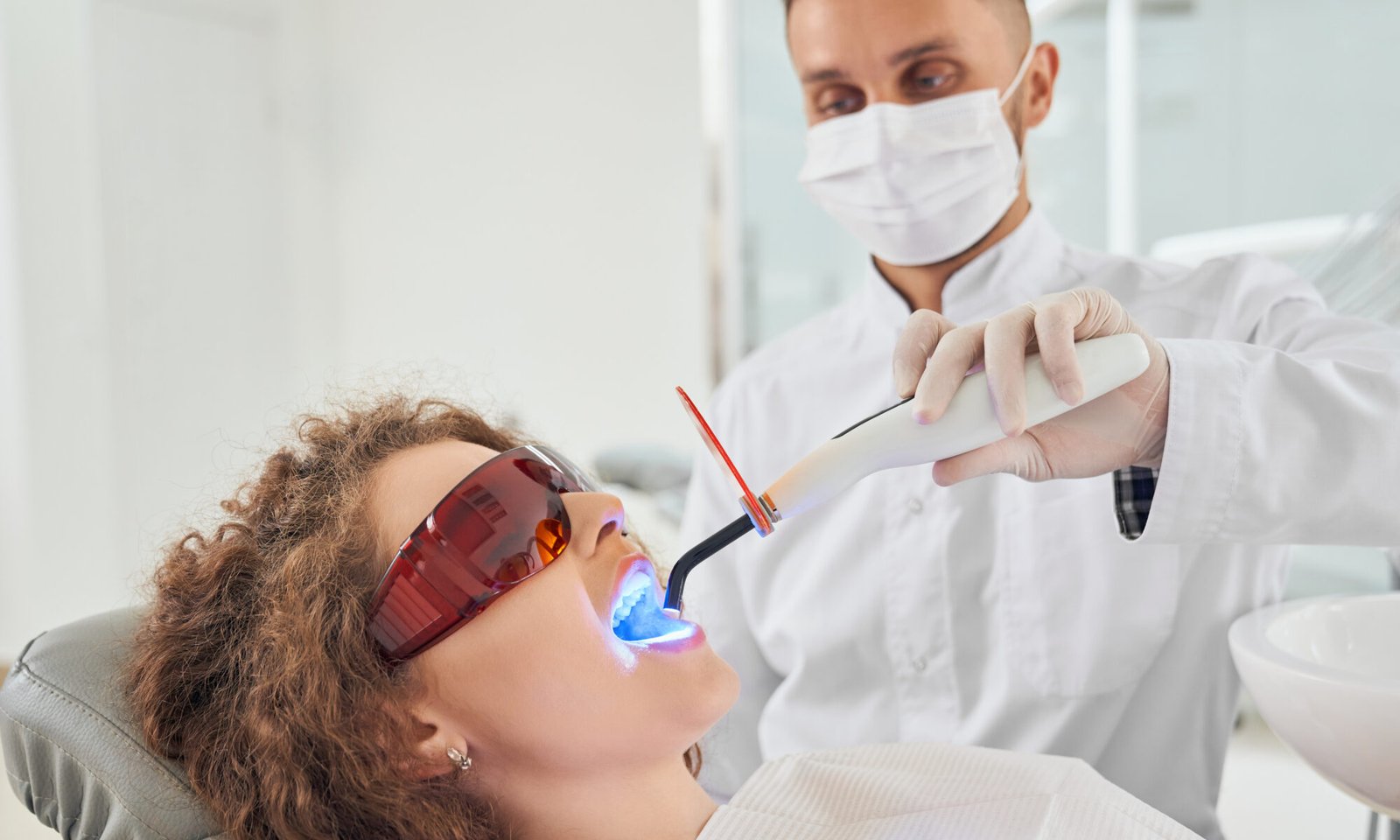

How Does Teeth Whitening Work? Different Types And What To Watch Out For

Teeth Whitening Treatment

Dreaming of a whiter, brighter smile? Whether it is coffee stains, natural ageing, or just wanting a confidence boost, teeth whitening has become one of the most popular ways to refresh your appearance quickly and safely. But before you start, it helps to understand how these treatments really work and which options best fit your lifestyle.

At Diamond Dental Clinic in Kuwait, we believe whitening should do more than just bleach teeth, it should protect your enamel, feel comfortable, and deliver results that look naturally you. Let’s explore how teeth whitening lifts stains, the types available, and what to keep in mind so you can achieve a healthier, more radiant smile confidently.

How Teeth Whitening Works?

Teeth whitening brightens your smile by breaking down stains trapped inside your enamel. Most professional teeth whitening treatments use peroxide‑based whitening agents that release oxygen molecules, gently lifting both surface stains from foods and drinks and deeper discoloration caused by age or certain medications.
Since whitening only works on natural teeth (not on crowns or fillings), it’s best to start with a dental checkup to see what is right for you.Understanding this process helps you choose the safest and most effective teeth whitening solution, so you achieve a brighter smile confidently and without unwanted side effects.

How to Whiten Teeth: Different Types of Teeth Whitening

If you have been thinking about how to whiten teeth safely and get lasting results, there is more than one way to do it. At Diamond Dental Clinic, we offer professional teeth whitening treatments and dentist‑supervised home teeth whitening options, so you can choose what fits your lifestyle while keeping your teeth healthy and your smile bright.

  • Laser Teeth Whitening (In‑Clinic, Fast Results)

This is one of the most effective types of teeth whitening for people who want visible results quickly. At Diamond Dental, a specially formulated whitening gel is applied to your teeth and activated with laser light, breaking down deep stains in just a single session. Perfect for weddings, photoshoots, or important events when you need a noticeably whiter smile fast.

  • Custom At‑Home Whitening Trays

For those who prefer whitening at home but still want professional‑level results, we create custom trays based on impressions of your teeth. Used with a dentist‑prescribed whitening gel, these trays ensure even coverage and reduce the risk of gum irritation, delivering gradual, natural‑looking whitening over one to two weeks.

  • Over‑the‑Counter Whitening Trays

Readily available at pharmacies, these trays can be a convenient starting point if you are exploring how to whiten teeth at home. However, because they are standard solutions, they might feel uncomfortable or provide uneven results compared to custom trays made by Diamond Dental.

  • Whitening Strips

Flexible plastic strips coated with a whitening gel that you apply daily. While they can gently lift surface stains over time, they may not reach between teeth or address deeper discoloration as effectively as professional treatments.

  • Whitening Pens

Compact and handy for quick touch‑ups or targeted stains. These are best used for small problem areas rather than full smile whitening.

  • Whitening Toothpaste

Contains mild abrasives or low‑level peroxide to polish away everyday stains. Best for maintenance after professional whitening rather than dramatic changes.

At Diamond Dental Clinic, we offer teeth whitening treatment in Kuwait that is tailored to your needs, while taking into account your tooth sensitivity, lifestyle, and how bright you would like your smile to be. From quick in‑office laser whitening to safe, custom at‑home trays, we focus on giving you effective results without compromising your enamel’s health.

What to Watch Out For: Risks and Considerations

Before choosing any teeth whitening treatment, it’s important to know what could affect your results or oral health. At Diamond Dental Clinic in Kuwait, we believe informed choices lead to safer and more satisfying outcomes. Here are some important points to consider:

  • Tooth sensitivity

Whitening products, especially those containing stronger bleaching agents can temporarily make your teeth sensitive to hot, cold, or sweet foods. This effect usually fades within a few days, but if you already have sensitive teeth, it’s wise to speak with your dentist first. At Diamond Dental Clinic, we often recommend lower‑concentration gels or desensitizing treatments to reduce discomfort.

  • Gum irritation

Ill-fitting whitening trays or applying teeth whitening gel too generously can cause gum irritation, redness, or mild burns. Dentist‑supervised whitening uses custom trays and careful application to protect your gums and keep the treatment comfortable.

  • Uneven results on dental work

Whitening only affects natural enamel, it does not lighten crowns, veneers, or composite fillings. If you have visible restorations, your dentist can help plan additional cosmetic adjustments to keep your smile evenly bright.

  • Overuse and misuse

It’s tempting to use over‑the‑counter whitening kits too frequently, but overuse can wear away enamel or cause permanent sensitivity. Professional supervision helps ensure the right concentration and timing for safe, effective whitening.

  • Underlying dental issues

Whitening treatments won’t solve decay, cracks, or gum disease. If you whiten over untreated dental problems, it could worsen sensitivity or discomfort. At Diamond Dental Clinic, we always check your oral health first to make sure whitening is safe.

  • Temporary white spots or blotches

After whitening, you might notice small white spots on your teeth. These are often areas where enamel was dehydrated during treatment, and they typically fade as the teeth rehydrate.

  • Unrealistic expectations

Teeth whitening can noticeably brighten your smile, but it won’t create “paper white” teeth, especially if your natural enamel color is darker. A professional consultation helps set realistic goals based on your unique tooth shade.

  • Age and enamel thickness

Whitening tends to be less effective if your enamel is naturally thin or if teeth have deep, intrinsic stains (for example, from certain medications). A dentist can help you decide whether whitening or an alternative treatment like veneers is more suitable.

Teeth Whitening at Diamond Dental Clinic in Kuwait

Achieving a whiter smile is not just about stronger bleaching gels, it is about the right technique, careful planning, and understanding your unique dental needs. At Diamond Dental Clinic in Kuwait, our expertise in Cosmetic Dentistry ensures that every teeth whitening treatment is tailored to your natural tooth shade, enamel health, and lifestyle, delivering results that look beautifully natural rather than overly artificial.

Instead of a “one‑treatment‑fits‑all” approach, we provide both professional in‑clinic whitening for quick, visible results and dentist‑supervised at‑home kits for gradual, controlled whitening. Each option follows strict safety protocols to protect your enamel and gums, giving you a brighter smile with the confidence that it’s been achieved safely and comfortably.

Conclusion

A brighter smile can boost your confidence, but achieving it safely matters just as much as the results. From understanding how teeth whitening works to choosing between in‑clinic and at‑home treatments, knowing your options helps you make the best choice for your teeth, lifestyle, and expectations.

At Diamond Dental Clinic in Kuwait, our Cosmetic Dentistry team combines advanced whitening techniques with personalized care, so you get natural‑looking, even results without harming your enamel. Whether you want fast results for a special occasion or a gradual, subtle improvement, our teeth whitening treatment in Kuwait is tailored to your unique tooth shade and lifestyle. Ready to discover your best, healthiest smile? Book a consultation today and see what professional teeth whitening can do for you.

FAQ’s

  1. How to get rid of teeth sensitivity after whitening?
    Mild sensitivity is common after whitening. Using toothpaste for sensitive teeth, avoiding very hot or cold foods for a few days, and following your dentist’s post-treatment advice usually helps it fade quickly.
  2. What can you eat after teeth whitening?
    Stick to the “white diet” for 24–48 hours: foods like chicken, rice, yogurt, bananas, and water. Avoid dark sauces, coffee, tea, or berries that could stain your newly whitened teeth.
  3. Can whitening strips damage your teeth?
    Overuse or incorrect use of whitening strips can weaken enamel or irritate gums. Following instructions carefully and not exceeding recommended use helps keep your teeth safe.
  4. What foods can you eat after teeth whitening?
    Choose non-acidic, light-colored foods: boiled eggs, potatoes, pasta with white sauce, apples (peeled), and plenty of water. These protect your enamel and keep your new smile bright.
  5. Can you get your teeth whitened with fillings?
    Yes, but whitening only affects natural enamel, not fillings, crowns, or veneers. After whitening, you may need to update visible restorations to match your new tooth color.
  6. How often can you whiten your teeth?
    Professional whitening is typically recommended once every 6–12 months, depending on your enamel health and lifestyle. Over-whitening can cause sensitivity and enamel wear.
  7. How much does it cost to whiten teeth?
    Costs vary depending on the type of treatment and your location. In general, in‑clinic professional whitening tends to cost more than at‑home dentist‑supervised trays. It’s best to consult your dentist for a personalized quote based on your specific needs and goals.
  8. What is the best teeth whitening treatment?
    The “best” depends on your goals and tooth sensitivity. In-clinic laser whitening offers fast, visible results, while custom dentist-supervised trays provide gradual, natural-looking whitening at home.

What Is A Composite Filling? Benefits, Procedure, And When You Might Need One

Composite Filling

Have you ever noticed a small dark spot on your tooth or felt a sudden twinge of sensitivity when sipping something cold? These subtle signs often point to early tooth damage that can be effectively treated with composite fillings. More than just a quick fix, composite fillings are modern, tooth-colored restorations that seamlessly blend with your natural teeth while helping you keep your smile healthy, strong, and beautiful.

Diamond Dental Clinic in Kuwait specializes in Conservative Dentistry, an approach focused on protecting as much of your natural tooth as possible. Using advanced composite materials, we offer treatments that don’t just repair cavities but also restore your confidence and comfort. In this blog, you will discover what composite fillings are, why so many people choose them, and how they could be the ideal solution for you. So let’s begin by understanding what a composite filling really is and how it helps restore your teeth.

What Is a Composite Filling?

A composite filling is a modern, tooth-colored dental restoration used to repair dental cavities, cracks, or minor damage in teeth. Made from a special blend of plastic resin and finely ground glass particles, composite fillings are designed to closely match the natural shade of your teeth, making them almost invisible when you smile or speak.

Unlike traditional silver amalgam fillings, which are darker and more noticeable, composite tooth fillings bond directly to the tooth surface. This not only provides a natural appearance but also helps preserve more of your healthy tooth structure during treatment. Because of their aesthetic appeal and reliable performance, composite resin fillings have become the preferred choice for both front and back teeth among patients who want a healthier, more confident smile.

Benefits of Composite Fillings

Now that you know what a composite filling is and how it restores your tooth in a natural-looking way, it is worth understanding why so many people (and dentists) choose them over traditional dental fillings. Composite fillings don’t just treat decay, they offer a range of benefits that protect your teeth and keep your smile looking its best. Here’s a closer look:

  • Natural, aesthetic look

Composite tooth fillings are made from tooth-colored resin, carefully matched to blend with your surrounding enamel. This means they are almost invisible when you speak, laugh, or smile, making them especially ideal for visible areas like front teeth, but equally effective in back teeth where appearance still matters.

  • Conserves healthy tooth structure

One of the key advantages of composite resin is its bonding ability. Because it adheres directly to the tooth surface, dentists can remove only the decayed or damaged part, leaving more of your healthy tooth intact. This approach helps maintain your tooth’s natural strength and shape over the long term.

  • Versatile use

Composite resin isn’t just for dental cavities. Dentists also use it to repair chipped or cracked teeth, reshape worn edges, or even close small gaps for cosmetic improvements. Its flexibility makes it a go-to option for both restorative and cosmetic dental work.

  • Strong bonding and support

The direct bonding of the composite material to the tooth creates a tight seal that helps reinforce the tooth structure. This support can reduce the likelihood of further breakage or damage, especially useful for teeth that have already been weakened by decay or trauma.

  • Mercury-free and metal-free

Unlike silver amalgam fillings that contain metals, including mercury, composite fillings are completely metal-free. This makes them a safer choice for patients who prefer to avoid metal in their dental treatments and want a more biocompatible option.

Composite Filling Procedure: What to Expect

Many people feel nervous before getting a filling, often because they’re unsure what really happens during the appointment. The good news? At Diamond Dental Clinic in Kuwait, our composite filling procedure is usually quick, comfortable, and often completed in a single visit, helping you get back to your day with confidence. Here’s what you can typically expect step by step:

  • Initial consultation and assessment

Your dentist will examine your tooth to identify the cavity or damage. This might include digital X-rays to check the extent of decay and plan the most effective treatment.

  • Numbing the tooth

To keep you comfortable, we gently apply a local anesthetic so the entire procedure remains virtually painless. Our priority at Diamond Dental is to make sure you stay relaxed throughout.

  • Removing decay or damage

Once the area is numb, the dentist carefully removes only the decayed or weakened parts of the tooth, preserving as much healthy structure as possible.

  • Cleaning and preparing the tooth

After cleaning, the cavity is shaped to help the composite resin bond securely. A special bonding agent is applied to ensure the filling stays firmly in place.

  • Applying and shaping the composite resin

The tooth-colored resin is placed in layers. Each layer is hardened quickly with a curing light, while the dentist carefully shapes it to match your tooth’s natural appearance and bite.

  • Polishing for a natural finish

Once the filling is built up, we smooth and polish it so it feels comfortable and blends seamlessly with your surrounding teeth.

  • Bite check and adjustment

Finally, you will gently bite down so the dentist can check your bite. Small adjustments are made if needed, so the dental filling feels completely natural when you chew or speak.

When Might You Need a Composite Filling?

Composite fillings are not limited to treating tooth decay, they are a versatile solution that helps restore both the health and appearance of your teeth. If you are wondering whether they might be right for you, here are some of the most common situations where dentists recommend them:

  • Treating small to moderate cavities caused by tooth decay

Cavities are the most common reason for fillings. Composite resin fillings are ideal for sealing these cavities while blending naturally with your enamel, so the restoration looks invisible when you talk or smile.

  • Repairing chipped, cracked, or worn teeth

Everyday habits like teeth grinding, accidental trauma, or biting into something hard can leave small chips or cracks. Composite tooth fillings can fill and rebuild these areas, protecting the tooth’s structure and restoring its shape.

  • Replacing old metal (amalgam) fillings

If you have silver fillings that are cracked, worn out, or simply noticeable when you laugh, composite fillings can replace them. The tooth-colored resin provides a seamless, natural look while maintaining strength.

  • Minor cosmetic adjustments

Composite fillings can also be used to improve aesthetics, such as closing small gaps between teeth, reshaping slightly uneven edges, or covering small spots of discoloration. This offers a quick, cost-effective way to enhance your smile without major dental work.

If you have noticed tooth sensitivity, dark spots on a tooth, or small chips, it is a good idea to discuss these signs with your dentist. At Diamond Dental Clinic in Kuwait, our team can help evaluate whether a composite filling is the best option to restore your tooth’s health and appearance, so you can smile confidently again.

How Long Do Composite Fillings Last?

One of the most common questions people have about composite dental fillings is how long they will really last. While there is no single answer for everyone, most composite fillings typically last about 5 to 10 years and sometimes even longer with the right care. Here’s what affects their lifespan:

  • Location in the mouth

Fillings on front teeth often last longer because they face less biting force. Fillings on back teeth handle more pressure from chewing and grinding, which can wear them down sooner.

  • Size of the filling

Small fillings usually last longer than larger ones. Larger fillings cover more of the tooth and are under greater stress, making them more likely to need replacement sooner.

  • Biting and grinding habits

If you clench your jaw, grind your teeth (bruxism), or chew hard items like ice or pens, your fillings can wear out or crack faster.

  • Daily oral hygiene

Brushing twice a day with fluoride toothpaste, flossing daily, and keeping up with dental check-ups protect both your fillings and your natural teeth from new decay.

  • Diet and lifestyle choices

A diet high in sugary snacks, acidic drinks, or frequent snacking can weaken fillings by increasing acid exposure and decay risk around the restored area.

At Diamond Dental Clinic in Kuwait, we use advanced, durable composite materials that not only blend beautifully with your natural teeth but also offer long-lasting performance. Regular check-ups allow your dentist to keep an eye on your fillings and recommend repair or replacement when needed, helping your smile stay healthy and natural for years to come.

Composite Fillings at Diamond Dental Clinic in Kuwait

At Diamond Dental Clinic in Kuwait, we practice Conservative Dentistry, focusing on treatments that preserve as much of your natural tooth as possible. Our Composite Fillings in Kuwait are crafted from advanced tooth-colored resin that blends seamlessly with your natural enamel, so your restoration looks virtually invisible. This bonding process allows us to keep more healthy tooth structure intact compared to traditional metal fillings, supporting both the strength and longevity of your teeth.

Beyond simply treating cavities, composite fillings are highly versatile, they can repair chipped or worn teeth, replace old metal fillings, and even make minor cosmetic enhancements like closing small gaps or reshaping uneven edges. As part of our commitment to modern, metal-free dentistry, each treatment at Diamond Dental Clinic is designed to restore your tooth’s function and appearance while keeping your smile natural, healthy, and confident for years to come.

Conclusion

Composite fillings are more than just a way to fix cavities, they are a modern, tooth‑friendly solution that protects your natural tooth structure while keeping your smile looking bright and confident. Their natural appearance, versatility, and strong bonding ability make them a preferred choice for patients who care about both health and aesthetics.
At Diamond Dental Clinic in Kuwait, we combine the latest in Conservative Dentistry with a patient‑centered approach to ensure your treatment feels comfortable, looks natural, and lasts for years. Whether you’re dealing with a new cavity, an old metal filling you’d like replaced, or a small chip that affects your smile, our team is here to help restore and protect your teeth. Book your consultation today, and take the next step towards a healthier, stronger, and more beautiful smile.

FAQs

  1. How long do composite fillings last?
    Typically, composite fillings last around 5–10 years, depending on the location, size of the filling, and how well you care for your teeth.
  2. Is a composite filling permanent?
    They’re not permanent, but they are durable. Over time, they may need replacement due to normal wear, chipping, or staining.
  3. Can you replace amalgam fillings with composite?
    Yes, many people choose to replace old amalgam fillings with tooth‑colored composite for aesthetic reasons or if the filling shows signs of wear.
  4. What is the difference between amalgam and composite fillings?
    Amalgam is a silver‑colored metal alloy, very strong but visible; composite fillings are tooth‑colored resins that blend naturally with your teeth.
  5. Are composite fillings safe?
    Yes. Composite materials used by dentists today are biocompatible and mercury‑free, making them a safe choice for most patients.
  6. Do composite fillings stain over time?
    They can pick up stains from tea, coffee, or smoking, but good oral hygiene and regular polishing can help keep them looking bright.
  7. Can composite fillings be repaired if they chip?
    In many cases, yes. Your dentist can add more composite material to restore the shape without removing the entire filling.

What Is Tooth Decay? Causes, Symptoms, and Prevention

Tooth Decay

Tooth decay is something most of us have heard about but few truly understand until it starts causing pain or visible damage. It begins silently, fueled by everyday habits like frequent snacking, sugary drinks, or skipping nightly brushing.

At Diamond Dental Clinic in Kuwait, we believe dental care should be more than just fixing cavities. It should be about empowering patients with the right knowledge and preventive strategies. In this blog, you will discover what tooth decay really is, its causes, warning signs, natural ways to protect your teeth, and how our specialized Dental Caries treatment in Kuwait helps restore and maintain a healthier smile.

Whether you are worried about your own teeth or your child’s, this guide is here to help you make informed choices and keep your smile strong for life. So, let’s start by understanding what exactly tooth decay means and how it affects your teeth over time.

What Is Meant By Tooth Decay?

Tooth decay, often called dental caries or cavities, is a gradual process where the hard outer layer of your teeth (enamel) breaks down due to acids produced by bacteria. These bacteria thrive on sugars and starches from the foods and drinks we consume, forming plaque, a sticky film that clings to teeth. Over time, the acids in plaque weaken the enamel, leading to small holes or cavities that can grow deeper if left untreated.

Tooth decay isn’t just a surface problem. It can affect deeper layers of the tooth, eventually causing pain, infection, or even tooth loss. It is one of the most common dental issues worldwide, yet largely preventable. By understanding what tooth decay is and how it starts, you can take simple daily steps, like maintaining good oral hygiene and regular dental check-ups to protect your smile and overall oral health.

What Are The Causes Of Tooth Decay?

After understanding what tooth decay is, it is equally important to explore the main causes of tooth decay and why it happens in the first place. Tooth decay isn’t random, it is closely linked to everyday habits, diet, and even natural factors like saliva and genetics. By knowing these causes of tooth decay, you can better identify what might be putting your teeth at risk and take steps for how to prevent tooth decay naturally and avoid future problems.

  • Plaque build-up and bacteria

Plaque is a sticky, colorless film made up of bacteria that constantly forms on your teeth. When plaque isn’t removed by daily brushing and flossing, it hardens and creates the perfect environment for bacteria to thrive. These bacteria feed on food particles and sugars, producing acids that gradually erode your tooth enamel and start the decay process which can eventually lead to tooth decay symptoms like sensitivity and visible cavities.

  • Sugary and acidic foods & drinks

Frequent consumption of sugary snacks, soft drinks, fruit juices, and even starchy foods like bread and chips fuels the bacteria in plaque. These bacteria turn sugars into acid, which softens and weakens the enamel. Acidic foods and drinks, like citrus fruits, soda, and vinegar-based products can also directly wear down enamel, increasing the risk of cavities and speeding up early signs of tooth decay.

  • Poor oral hygiene habits

Inconsistent brushing, skipping flossing, or not using fluoride toothpaste makes it easier for plaque and bacteria to build up. Over time, this speeds up the acid attacks on enamel, leading to tooth decay that could often be prevented with simple daily habits and even some home remedies for tooth decay, like rinsing with water after meals.

  • Dry mouth / reduced saliva

Saliva is not just moisture, it is a natural defense against decay. It helps wash away food particles, neutralizes acids, and provides minerals that strengthen enamel. Conditions like dry mouth (often caused by certain medications, stress, or medical issues) reduce saliva flow, making teeth more vulnerable to decay.

  • Other risk factors (age, genetics, certain medical conditions)

Some people may naturally have deeper grooves in their teeth, thinner enamel, or a family history of dental problems, increasing their risk. Age can also play a role: children and older adults often face higher risk due to diet, medications, or reduced dexterity when cleaning teeth. Medical conditions like diabetes, acid reflux, or eating disorders can further contribute to decay.

How Does Tooth Decay Occur?

Tooth decay is not an instant problem, it is a gradual process driven by everyday habits and what we eat. Understanding each stage of tooth decay helps you see why prevention matters and how small choices can protect your teeth. Here’s how it happens in detail:

  • Plaque forms on your teeth

Throughout the day, a thin, sticky film called dental plaque builds up on your teeth. Plaque contains millions of bacteria that naturally live in the mouth. When not removed by brushing and flossing, plaque hardens and clings stubbornly to teeth, especially around the gumline and in hard-to-reach areas.

  • Bacteria feed on sugars and produce acid

Whenever you eat or drink foods rich in sugars or starches, like sweets, soft drinks, bread, or even fruit, the bacteria in plaque break these down and produce acids as a byproduct. These acids remain on the tooth surface for some time after eating, leading to acid erosion on teeth.

  • Acid attacks the enamel

The enamel is the hard, mineral-rich outer layer of your teeth, and these acids slowly erode its surface. Over time, repeated acid attacks cause minerals (like calcium and phosphate) to leach out of the enamel, weakening it.

  • Early decay begins

At this stage, you might not see visible holes yet, but white spots may appear where the enamel has started losing minerals. This is the earliest sign of tooth decay and is still reversible with proper oral care and fluoride.

  • Cavities develop and spread deeper

If acid attacks continue and oral hygiene isn’t improved, the enamel breaks down completely, leading to small holes called cavities. Decay then spreads into the softer dentin beneath the enamel, which makes teeth more sensitive and speeds up damage. Eventually, if untreated, decay can reach the pulp (the innermost layer with nerves and blood vessels), leading to toothache, infection, or abscess.

Signs of Tooth Decay: Common Symptoms and Early Warning Signs

Now that you know how tooth decay develops step by step, the next important thing is learning how to recognize it in real life. Spotting the early signs of tooth decay can help you take action before the damage becomes severe, and can often save you from pain and costly treatments. Here’s what to watch for at different stages of tooth decay:

  • Early signs: white spots and mild sensitivity

In the beginning, tooth decay symptoms might not cause obvious pain. Instead, you may notice faint white spots on the tooth surface, areas where minerals have started to wear away. Some people also feel mild sensitivity when eating or drinking something hot, cold, or sweet. At this stage, decay can often be reversed with improved oral care and fluoride treatment.

  • Progressive signs: visible holes, pain, and discoloration

As decay advances, the enamel breaks down further, leading to small cavities or holes. Teeth may start showing brown or black spots, and you might feel discomfort while chewing, biting, or consuming hot or cold food and drinks. Teeth can also appear dull or show signs of tooth discoloration, which can signal deeper enamel damage.

  • Severe signs: toothache, infection, and bad breath

When decay reaches deeper layers of the tooth, it can cause a persistent toothache or sharp, throbbing pain. You might notice swelling or pus near the affected tooth, along with bad breath or an unpleasant taste in your mouth. At this stage, prompt tooth decay treatment is essential to prevent serious complications or tooth loss.

How to Prevent Tooth Decay Naturally?

Tooth decay is common, but the good news is, it’s largely preventable. By making a few mindful changes to your daily routine and diet, you can protect your teeth naturally. Here are some practical, natural ways to help keep decay at bay:

  • Brush and floss daily with good technique

Consistent, thorough brushing (at least twice a day) and daily flossing remove plaque and leftover food particles that bacteria feed on. Using fluoride toothpaste helps strengthen enamel naturally by replenishing lost minerals and acts as a key step in tooth decay prevention.

  • Limit sugary and acidic foods and drinks

Frequent snacking on sweets, sodas, or starchy foods increases acid production in the mouth. To help prevent tooth decay, choose fresh fruits, crunchy vegetables, and water over sugary snacks, and rinse your mouth after meals if brushing isn’t possible.

  • Eat tooth-friendly foods

Foods rich in calcium and phosphorus, like cheese, yogurt, nuts, and leafy greens help strengthen enamel. Crunchy fruits and vegetables (like apples and carrots) naturally clean teeth by stimulating saliva flow.

  • Stay hydrated

Drinking plenty of water helps wash away food particles and keeps saliva levels high. Saliva is your mouth’s natural defense against acids because it neutralizes them and helps repair early enamel damage.

  • Use natural oils and rinses (as complementary care)

Some people use coconut oil pulling or green tea rinses for their mild antibacterial properties. While these shouldn’t replace brushing and flossing, they may help reduce harmful bacteria when used carefully.

  • Maintain regular dental check-ups

Even if you focus on natural prevention, professional cleanings and early check-ups are essential to catch small problems before they become bigger issues.

By combining daily oral hygiene, balanced nutrition, and mindful habits, you can protect your teeth naturally and keep your smile healthier for years to come.

Tooth Decay Treatment at Diamond Dental Clinic in Kuwait

When tooth decay progresses beyond the early stages, professional treatment becomes essential to stop further damage and save your natural teeth. At Diamond Dental Clinic in Kuwait, we understand how important it is to restore your dental health with care that combines advanced technology and a gentle approach.

Our specialized Dental Caries treatment in Kuwait is designed to address cavities at every stage. Whether it’s a small filling for early decay, a dental crown to protect a weakened tooth, or root canal therapy for more severe cases, our experienced team ensures each treatment is tailored to your needs. We also focus on preventive care, helping patients maintain strong, healthy teeth long after treatment is complete.

As a renowned dental clinic in Kuwait, Diamond Dental is dedicated to delivering comprehensive care in a comfortable environment. From diagnosis and digital imaging to precision treatment and aftercare, we make sure every patient feels confident and supported on their journey to a healthier smile.

If you are experiencing toothache, sensitivity, or suspect you may have dental caries, don’t wait. Visit Diamond Dental Clinic in Kuwait for expert evaluation and personalized treatment that protects your teeth and keeps your smile strong.

Conclusion

Protecting your teeth from decay is about investing in your overall health and quality of life. By understanding what tooth decay is, the daily habits and foods that contribute to it, and the warning signs to watch for, you can make more informed choices every day. Prevention starts with simple steps: brushing and flossing properly, eating a balanced diet low in sugars, and staying hydrated to support your mouth’s natural defenses.

Yet, even with the best care, decay can sometimes develop. That is why having the right dental support matters. At Diamond Dental Clinic in Kuwait, we don’t just treat dental caries; we help you understand your unique risk factors and create a personalized plan to keep your teeth strong for years to come. Our expert team combines advanced technology with a gentle, patient-centered approach, so you feel comfortable and confident every step of the way.

Remember: tooth decay caught early is far easier to treat and less likely to cause pain or lasting damage. Prioritize regular dental check-ups and professional guidance, and you’ll keep your smile healthier and brighter for life. If you suspect you might have a cavity or simply want to protect your teeth better, visit Diamond Dental Clinic in Kuwait for trusted care tailored to you.

FAQs

  1. How to stop tooth decay from spreading?
    A: Brush and floss thoroughly every day, reduce sugary foods and drinks, and see your dentist promptly. Early professional treatment like fillings or fluoride applications can help prevent further damage.
  2. Can tooth decay be reversed?
    A: In its earliest stage, when it appears as white spots, decay can sometimes be reversed through fluoride treatments, improved oral hygiene, and a balanced diet that supports enamel remineralization.
  3. How to repair tooth decay?
    A: Small cavities are typically treated with dental fillings. More advanced decay may require crowns or root canal treatment to restore the tooth’s structure and function.
  4. How to prevent tooth decay in kids?
    A: Help children brush twice daily with fluoride toothpaste, limit sugary snacks and drinks, and schedule regular dental check-ups. Dental sealants are also effective in protecting their teeth from cavities.
  5. What foods help protect against tooth decay?
    A: Foods rich in calcium and phosphates, like cheese, yogurt, and leafy greens, help strengthen enamel. Crunchy fruits and vegetables stimulate saliva, which naturally protects teeth.
  6. Does drinking water help prevent tooth decay?
    A: Yes. Drinking water, especially fluoridated water, helps wash away food particles, neutralize acids, and keep saliva levels high, all of which protect teeth from decay.
  7. Is tooth decay painful right away?
    A: Often, early tooth decay doesn’t cause pain. Discomfort or toothache usually appears when decay has progressed into deeper layers of the tooth.
  8. Are dental sealants only for children?
    A: While sealants are most commonly used for children and teens, adults without decay or fillings in their molars can also benefit from sealants to help prevent cavities.
  9. How often should I see a dentist to prevent decay?
    A: Most people should visit their dentist every six months for a check-up and cleaning. Those at higher risk of cavities may benefit from more frequent visits as advised by their dentist.
  10. Can tooth decay affect overall health?
    A: Yes. Untreated tooth decay can lead to infections that may spread to other parts of the body, and chronic dental problems have been linked to conditions like heart disease and diabetes. Regular dental care helps protect both oral and overall health.

What Are The Long-Term Benefits Of Orthodontic Treatment?

Orthodontic treatment in Kuwait

When it comes to improving your smile and oral health, few solutions are as effective and long-lasting as orthodontic treatment. It is not just about straight teeth, but proper alignment can help prevent cavities, reduce jaw strain, and support better overall health. Over time, these small changes make a big difference. At Diamond Dental, our team has seen how the right treatment plan can transform not just a smile, but a patient’s confidence too. In this blog, we will explain what orthodontic treatment involves, go over the different types available, and explore the long-term benefits, especially if you are considering treatment in Kuwait.

What Is Orthodontic Treatment?

Orthodontic treatment focuses on correcting the position of teeth and jaws to improve both function and appearance. It is commonly used to fix issues like crooked teeth, overcrowding, gaps, or bite problems. Dentists or orthodontists use tools such as braces, clear aligners, and retainers to guide the teeth into proper alignment over time. While it may take months or even years to complete, the results are often life-changing. A well-aligned bite can make chewing easier, improve speech, and reduce strain on your jaw. Simply put, orthodontic treatment helps create a smile that not only looks good but also functions well.

Types of Orthodontic Treatment

Here are the most common types of orthodontic treatment available today:

  • Metal Braces – Traditional, durable, and effective for all ages.
  • Ceramic Braces – Similar to metal but less noticeable thanks to tooth-colored materials.
  • Clear Aligners – Removable trays like Invisalign that are nearly invisible.
  • Lingual Braces – Placed behind the teeth, offering a discreet option.
  • Palatal Expanders & Retainers – Often used in children to guide jaw growth or maintain results after treatment.

Each option works differently, so your orthodontist will suggest what suits your case best.

Orthodontic Treatment Options in Kuwait

If you’re exploring orthodontic treatment options in Kuwait, here are some popular choices available at Diamond Dental:

  • Comprehensive Braces for Teens & Adults – Ideal for bite correction and misaligned teeth.
  • Invisible Aligners – Aesthetic and convenient for working professionals.
  • Early Orthodontic Evaluation for Children – Helps catch and treat issues before they worsen.
  • Clear or Ceramic Braces – Blend in with teeth for a subtle look.
  • Customized Treatment Plans – Tailored solutions based on your age, goals, and dental needs.

A proper consultation helps you choose the right option with long-term results.

Long-Term Smile Benefits

One of the biggest advantages of orthodontic treatment is the lasting impact it has on your smile. Straighter teeth not only enhance your appearance but also boost self-esteem in everyday life. People who complete treatment often find themselves smiling more confidently in both personal and professional settings. A properly aligned smile also makes it easier to maintain oral hygiene, helping you avoid plaque buildup and staining over time. With good care, the results of orthodontic treatment can last for decades, making it a valuable investment in your long-term happiness and appearance.

Health Benefits of Treatment

Here are some important health benefits of getting orthodontic treatment in Kuwait:

  • Improved Oral Hygiene – Straighter teeth are easier to clean, reducing the risk of plaque buildup and gum disease.
  • Better Bite Alignment – Helps prevent jaw pain, clicking, and uneven pressure on teeth.
  • Reduced Risk of Cavities – Misaligned teeth often lead to food trapping and difficulty in cleaning, which can be prevented with proper alignment.
  • Improved Chewing and Digestion – Correcting the bite makes chewing more efficient, supporting overall digestion.
  • Clearer Speech – In some cases, treatment helps resolve speech issues caused by misaligned teeth or jaws.

These benefits go beyond appearance and contribute to long-term oral health and comfort.

Why Choose Treatment in Kuwait

Access to high-quality dental care has become more convenient and advanced across the country. Many clinics now offer specialized services, shorter wait times, and flexible payment plans. One of the key reasons people choose orthodontic treatment options in Kuwait is the availability of experienced professionals who use modern tools to deliver effective results. Diamond Dental is equipped with the latest technology and follows international standards of care. Whether you need a basic correction or a full orthodontic plan, our skilled doctors offer reliable options close to home.

Finding the Right Treatment Option

Choosing the right path starts with a detailed dental assessment. During your consultation, the orthodontist will review your bite, teeth alignment, and overall oral health before recommending suitable orthodontic treatment options. Some patients may need traditional braces for complex issues, while others might be better suited for clear aligners. Age, lifestyle, and budget all play a role in the final decision. The goal is to find a solution that fits your needs while offering long-term benefits you can count on.

Conclusion

Orthodontics is not just about straightening teeth, it’s about long-term results that improve your smile, health, and confidence. From bite correction to easier oral hygiene, the right treatment can make a lasting impact. With several orthodontic treatment options available, now is a great time to take the first step. Whether you’re considering treatment for yourself or your child, clinics like Diamond Dental in Kuwait offer expert care you can trust. Book a consultation to learn more and start your journey toward a healthier, more confident smile.

What Are The Early Signs Of Dental Caries And How Can You Spot Them?

Dental Caries

Tooth decay is one of the most common oral health issues faced by people of all ages. Left untreated, it can lead to discomfort, sensitivity, and even serious dental infections. But the good news is, if spotted early, it is completely manageable. In this blog, we will walk you through the early signs of dental caries, what causes it, how to identify it at home, and when to seek professional help. Whether you are experiencing mild sensitivity or simply want to understand more about your oral health, this guide by Diamond Dental is a good place to begin.

What Is Dental Caries?

Dental caries refers to the process of tooth decay that occurs when harmful bacteria in your mouth produce acids that break down the enamel. This often starts slowly and painlessly, making it easy to overlook. Over time, the damage can spread deeper into the tooth, affecting the dentin and even the root. Cavities typically develop when plaque builds up due to poor brushing, sugary diets, or skipped dental visits. While the early stages may go unnoticed, understanding how caries begin can help you stay ahead of serious damage. It is a condition that can be easily managed with timely care and attention.

Why Early Detection Is Important

Catching the signs of dental caries treatment early can make a huge difference in preserving your natural teeth. At the initial stage, tooth decay can often be reversed or managed with simple procedures like fluoride treatments or minor fillings. However, if ignored, the decay can reach the deeper layers of the tooth, leading to infections, root canal treatments, or even tooth loss. Early detection also helps reduce discomfort, saves time, and lowers the cost of treatment. Regular dental check-ups and being aware of the warning signs ensure that problems are addressed before they escalate into something more serious.

Common Early Signs of Dental Caries

Spotting the first signs of tooth decay can help you take action before it worsens. Keep an eye out for:

  • White or chalky spots on the surface of the teeth – an early sign of enamel weakening
  • Sensitivity to cold drinks, sweets, or while brushing
  • Mild discomfort while chewing or biting down
  • Bad breath that does not go away despite regular brushing
  • Small brown or black spots forming on the tooth enamel

These signs may seem minor at first, but could indicate the beginning of tooth decay. If you notice any of them, it is best to consult Diamond Dental for early dental caries treatment in Kuwait.

Types of Dental Caries You Should Know

Understanding the types of dental caries can help you identify how decay might affect different parts of the tooth. Each type progresses differently and may require specific forms of treatment:

  • Enamel caries: Begins on the outermost layer of the tooth and is usually painless in the early stage.
  • Dentin caries: Spreads beneath the enamel into the softer layer, often causing sensitivity.
  • Root caries: Affects exposed roots, more common in older adults or those with gum recession.
  • Recurrent caries: Occurs around fillings or dental restorations where decay reappears.

Knowing these types gives you a clearer picture of what to look out for and when to seek help from a dental expert like Diamond Dental.

What Causes Tooth Decay?

Several daily habits and conditions can contribute to the development of tooth decay. The most common causes include:

  • Poor oral hygiene – Irregular brushing or flossing leads to plaque buildup.
  • Frequent snacking on sugary foods – Sugar fuels bacteria that produce decay-causing acid.
  • Dry mouth – Reduced saliva limits the natural washing away of food particles and acid.
  • Skipping dental visits – Problems go unnoticed and untreated.

Being aware of these factors helps you make smarter choices for long-term dental health and reduce the risk of needing extensive dental caries treatment.

How to Check for the Signs at Home

While a dentist’s examination is the most reliable way to catch decay, there are a few things you can look for at home to stay proactive:

  • Use a mirror to inspect your teeth for white spots, discoloration, or small holes.
  • Take note of any sensitivity when consuming hot, cold, or sweet foods.
  • Check if your breath smells stale even after brushing.
  • Watch for discomfort or pain while chewing certain foods.
  • Feel around your teeth with your tongue for any rough or uneven areas.

These home checks are not a replacement for professional care, but they can help you identify early signs and decide if you need dental caries treatment.

When to See a Dentist

It is important not to ignore certain warning signs that suggest tooth decay may be progressing. If you experience sharp or lingering tooth pain, visible holes or black spots, or ongoing sensitivity to hot or cold food, it is time to see a dentist. Swelling in the gums or persistent bad breath can also point to deeper issues that need professional care. Do not wait for the discomfort to become unbearable. Early diagnosis makes dental caries treatment simpler, more affordable, and less invasive at Diamond Dental. A timely visit to your dentist can help stop further damage and save your natural tooth.

Tips to Prevent Dental Caries Early 

Preventing tooth decay starts with simple, consistent habits. Brush your teeth twice a day using a fluoride toothpaste, and make sure to floss daily to remove plaque between teeth. Limit sugary snacks and drinks, especially between meals, as they feed harmful bacteria. Drinking plenty of water also helps wash away food particles and acids. Most importantly, visit your dentist every six months for a routine check-up and cleaning. These small steps go a long way in protecting your teeth from decay and reducing the need for dental caries treatment. Prevention is easier and far less painful than a cure.

Conclusion 

Spotting the early signs of tooth decay can make all the difference in preserving your smile. From white spots to tooth sensitivity, being aware of these changes helps you act before the damage becomes serious. Understanding the types of dental caries and what causes them puts you in a better position to take control of your oral health. If you are unsure about any symptoms, it is always best to consult a professional. At Diamond Dental, our experienced team of doctors is here to help you with expert care, early detection, and personalized treatment solutions tailored to your needs.

How Are Dental Prosthetics Made To Match Your Natural Teeth?

Dental Prosthesis

Dental prosthetics today are not just about replacing missing teeth; they are about restoring your smile in the most natural way possible. With advancements in design and technology, patients now have access to highly customised solutions that blend seamlessly with their existing teeth. Diamond Dental combines modern equipment and experienced hands to deliver precision-crafted prosthetics that feel and look like real teeth for those seeking reliable dental prosthetic services in Kuwait. In this blog, we will explain how the process works, from evaluation to final fitting.

Why a Natural Look Matters in Dental Prosthetics

A natural appearance plays a major role in the success of any prosthetic treatment. When a dental prosthetic closely matches the colour, shape, and size of your existing teeth, it becomes nearly indistinguishable. This not only improves your smile but also boosts your confidence and comfort while speaking or eating. Choosing a trusted prosthetic service in Kuwait ensures that the aesthetic details are not overlooked. Skilled dental teams carefully study your real teeth to create a prosthetic that looks and feels right, making all the difference in your final result.

How Dentists Assess Your Natural Teeth Before Starting

Matching a prosthetic to your natural teeth starts with a detailed evaluation. The dentist closely examines the shape, size, and position of nearby teeth to ensure the new prosthetic blends in perfectly. Your bite is also assessed to understand how your teeth come together during chewing and speaking. This step helps in designing a prosthetic that is both functional and comfortable. Every feature, from tooth length to alignment, is considered during this stage, making it a key part of high-quality dental prosthetic services.

The Role of Digital Scanning and Imaging

Digital technology has changed the way dental prosthetics are designed and made. Instead of using uncomfortable molds, dentists now use advanced 3D scanners to take accurate digital impressions of your teeth and gums. These digital models offer a clear, detailed view of your oral structure, helping ensure the prosthetic fits perfectly.

Here’s how digital scanning adds value to the process:

  • It captures even the smallest details of your teeth’s shape and alignment
  • It reduces errors caused by traditional impression materials
  • It speeds up the overall treatment timeline
  • It improves patient comfort and reduces the need for multiple fittings
  • It ensures a higher degree of accuracy for long-lasting dental prosthetics

How Tooth Shade and Texture Are Matched

Getting the color right is one of the most important parts of creating a natural-looking prosthetic. Dentists use a shade guide to compare and match the color of your existing teeth. In some cases, digital tools are used to analyse subtle differences in tone, transparency, and light reflection. This ensures the prosthetic does not stand out when you smile or speak.

Texture also plays a key role. Natural teeth have tiny surface details that reflect light in a certain way. These patterns are carefully replicated during the fabrication process to create dental prosthetics that look completely real.

What Materials Are Used for a Natural Finish?

The choice of material affects both the appearance and durability of the prosthetic. Common options include porcelain, zirconia, and composite resin. Porcelain and zirconia are especially popular because they reflect light in a way that closely mimics natural enamel. They are also strong enough to handle daily chewing and biting without easily wearing down.

Each material has its advantages depending on the location of the tooth, your bite, and aesthetic goals. Selecting the right material is a key part of delivering a successful prosthetic service by Diamond Dental that balances beauty with long-term performance.

How Skilled Lab Technicians Customize Each Piece

Once the scans and measurements are complete, the next stage involves the dental laboratory. Here, skilled technicians take the dentist’s specifications and begin crafting the prosthetic by hand. They shape it to match the exact size, contour, and surface texture of the natural teeth around it. The layering of materials is done with care to ensure a realistic finish.

The process also includes fine polishing and minor adjustments to match the color and translucency of real teeth. This level of detail is essential in delivering dental prosthetic services that are both aesthetically pleasing and durable.

Fitting and Adjustments for a Perfect Match

When the prosthetic is ready, it is fitted to check for alignment, comfort, and appearance. During this stage, the dentist ensures that the bite feels natural and the prosthetic blends in with nearby teeth. If needed, small changes are made on the spot to improve the fit or look.

This attention to detail makes sure the prosthetic does not cause discomfort or stand out visually. A well-executed dental prosthetic includes this careful trial phase to guarantee long-term comfort and confidence for the patient.

How the Final Prosthetic Is Placed and Secured

Once the prosthetic is finalized and approved, the dentist carefully places it in position. Depending on the type, crown, bridge, or denture, it is either cemented or securely attached using dental implants. Precision is key during this step to ensure the prosthetic fits comfortably and functions like a natural tooth.

After placement, the bite is checked again, and any minor refinements are made. The goal is to provide a stable and lasting result. A properly placed prosthetic is a vital part of successful dental prosthetic services provided by Diamond Dental, ensuring both comfort and long-term performance.

Can You Tell the Difference Between a Prosthetic and a Real Tooth?

In most cases, a well-designed prosthetic is almost impossible to tell apart from a natural tooth. When shade, shape, and surface texture are carefully matched, the result looks and feels natural. Even under close inspection, the difference is minimal, especially with high-quality materials and digital precision.

Patients often report that friends or family cannot tell which tooth was replaced. That is the true success of a well-executed dental prosthetics procedure when the artificial becomes indistinguishable from the real.

How to Care for Your Prosthetic to Keep It Looking Natural

Just like natural teeth, prosthetics need regular care to maintain their look and function. Brushing twice a day, using non-abrasive toothpaste, and flossing around the prosthetic are essential habits. If your prosthetic is removable, cleaning it as advised by your dentist will help prevent stains and wear.

Regular dental check-ups are also important. They allow early detection of any issues with the fit or condition of the prosthetic. Following a good oral hygiene routine ensures that your dental prosthetics can help extend the life of your prosthetic and keep your smile looking its best.

Conclusion

Matching dental prosthetics to your natural teeth is both an art and a science. From initial assessments and digital scans to careful craftsmanship and final placement, each step is designed to deliver a seamless result. With proper care and expert handling, the difference between a real tooth and a prosthetic becomes almost invisible.At Diamond Dental, we take pride in offering high-quality dental prosthetic services in Kuwait that focus on precision, comfort, and aesthetics. If you are considering restoring your smile, our experienced team is here to guide you every step of the way.

What Makes Dental Implants the Go-To Solution for Missing Teeth?

Dental Implants

Missing teeth are not just a cosmetic concern; they can affect your speech, chewing ability, and overall dental health. When a gap is left unfilled, it can lead to shifting teeth, jawbone loss, and difficulty in chewing. Over time, this may also impact your confidence and facial structure. That is why replacing missing teeth promptly is not just an option, but a necessity. Many patients start by asking what are dental implants, and for good reason. Implants are a trusted and long-lasting solution that not only restores your smile but also helps maintain the natural function of your jaw and teeth.

What Are Dental Implants?

If you are considering tooth replacement, you have likely come across the term dental implants. But what exactly are they? A dental implant is a small, screw-like post, usually made of titanium, that is surgically placed into the jawbone. It acts as a sturdy root for a replacement tooth, such as a crown, bridge, or denture. Over time, the implant fuses with the bone, creating a stable and long-lasting foundation. This process not only restores your ability to chew and speak properly but also helps preserve the bone structure in your jaw. Unlike temporary fixes, implants offer a permanent solution that looks and feels just like a natural tooth.

Why Dental Implants Stand Out

When it comes to replacing missing teeth, more patients today are turning to the top dental implants services, and for good reason. Implants offer unmatched stability, comfort, and durability compared to traditional bridges or dentures. Because they are anchored directly into the jawbone, they feel more natural and do not slip or shift when you eat or speak. They also help prevent bone loss, which can occur when a tooth is missing for a long time. In terms of appearance, implants are designed to blend seamlessly with your existing teeth, giving you a confident, complete smile. With proper care, they can last for many years, making them a smart and long-term investment in your oral health.

Dental Implants vs. Other Options

When exploring tooth replacement options, patients often compare dental implants to dentures or dental bridges. While dentures sit on the gums and bridges rely on adjacent teeth for support, implants are placed directly into the jawbone. This gives them far greater stability and strength. Unlike dentures, implants do not shift or require adhesives. And unlike bridges, they do not involve filing down healthy teeth. Implants also help preserve jawbone health, which other methods do not. Though the initial cost of implants may be higher, their durability and long-term benefits make them more cost-effective in the long run. If you are looking for a solution that feels natural and lasts, implants come out ahead.

The Dental Implant Procedure Step by Step

The journey to restoring your smile is clear and well-structured. Here are the typical dental implant steps:

  • Initial Consultation:- Your dentist will assess your oral health, take X-rays, and determine if your jawbone is strong enough to support an implant.
  • Implant Placement:- The titanium implant is surgically inserted into your jawbone. This acts as a replacement root for the missing tooth.
  • Healing and Osseointegration:- Over the next few months, the implant fuses with the jawbone. This creates a strong, stable base for your new tooth.
  • Abutment Placement:- Once healing is complete, a small connector called an abutment is attached to the implant. It holds the crown in place.
  • Final Crown Placement:- A custom-made crown is placed on the abutment, restoring the appearance and function of your natural tooth.

Each step is carefully planned and executed to ensure long-term success and patient comfort.

Who Can Get Dental Implants?

Not everyone is immediately eligible for dental implants, but many people are surprised to learn they qualify. Generally, you need healthy gums, a fully developed jaw, and enough bone to hold the implant securely in place. Smokers, people with uncontrolled diabetes, or those with certain medical conditions may need additional precautions or treatment before the procedure. Age is not a barrier; both younger adults and seniors can benefit from implants. A thorough dental evaluation will determine your suitability and help plan your treatment accordingly. If you’re considering a top clinic for dental implants, the first step is to schedule a consultation and review your specific case with Diamond Dental.

How Long Do Dental Implants Last?

With proper care, dental implants are designed to last for many years, often even a lifetime. Unlike dentures or bridges that may need replacement, implants are made from durable materials like titanium and ceramic, which are highly resistant to wear. Regular brushing, flossing, and dental check-ups are key to maintaining their longevity. It is also important to avoid habits like smoking or teeth grinding, as these can reduce the lifespan of your implant. Choosing dental implants service from Diamond Dental, you get high-quality materials and expert care, both of which contribute to long-term success and stability.

Common Myths About Dental Implants

Many people hesitate to get dental implants because of myths they have heard. Let’s clear up a few common ones:

  1. “Implants are painful.”
    In reality, the procedure is done under local anesthesia and is often less uncomfortable than a tooth extraction.
  2. “Implants do not last long.”
    With proper care, implants can last 20 years or more, and often for life.
  3. “They are only for older people.”
    Adults of all ages can benefit from implants, as long as their jawbone is healthy.

Understanding the truth behind these myths helps patients feel more confident. If you are exploring dental implant options in Kuwait, always rely on professional advice, not hearsay.

Conclusion

Choosing to replace missing teeth is not just about appearance; it is about protecting your oral health and restoring full function. Among the many available options, dental implants offer unmatched stability, durability, and a natural look. They prevent bone loss, support surrounding teeth, and help you eat and speak comfortably. While the process takes time, the results are long-term and reliable. Whether you are missing one tooth or several, implants can make a lasting difference. If you are ready to explore your options, Diamond Dental is a trusted dental clinic that is the best first step toward a healthier, more confident smile.Need to schedule a consultation or want to know more about dental implants? Contact Diamond Dental today and take the first step toward a healthier and stronger jawbone.

When Is Tooth Extraction Necessary And How Do You Recover?

Tooth Extraction Services In Kuwait

Tooth extraction may sound intimidating, but sometimes it’s the best step toward a healthier, pain-free smile. Whether it’s due to damage, overcrowding, or infection, knowing when and why a tooth needs to be removed can help you feel more confident and prepared. At Diamond Dental, one of the trusted names for tooth extraction in Kuwait, we ensure every extraction is done gently, safely, and with your comfort in mind.

In this blog, we’ll walk you through the reasons for tooth extraction, how to prepare for it, what recovery looks like, and how we make the experience smooth for every patient.

When Is Tooth Extraction Necessary?

Tooth extraction is usually a last resort in dentistry, but in some cases, it’s the best solution to maintain your overall oral health. When a tooth is damaged beyond repair or poses a risk to surrounding teeth and tissues, removal becomes necessary. Here are the most common reasons why a dentist may recommend a tooth extraction: 

  • Severe Tooth Decay: If the decay has damaged the tooth beyond repair, removal may be the only option to prevent the infection from spreading.
  • Infection or Abscess: A tooth that is infected and doesn’t respond to root canal treatment may need to be extracted to protect overall oral health.
  • Overcrowding: In orthodontic cases, teeth may be removed to make space and align the rest properly.
  • Impacted Wisdom Teeth: Wisdom teeth often don’t grow correctly and can cause pain, swelling, or infections.
  • Gum Disease: Advanced periodontal disease can loosen teeth, sometimes making extraction necessary.
  • Fractured Teeth: If a tooth is broken below the gum line or severely cracked, it may not be able to be restored.

How to Prepare for a Tooth Extraction

Now that you have a clearer understanding of whether tooth extraction is necessary for you, let’s help you prepare confidently and carefully for the procedure. If your dentist recommends an extraction, they will guide you step-by-step. Here’s how you can prepare:

  • Inform Your Dentist about any medical conditions or medications you’re taking.
  • Discuss Sedation Options if you’re anxious or undergoing a complex extraction.
  • Eat a Light Meal before the procedure (unless instructed not to).
  • Arrange for a Ride Home if you’re receiving sedation or anesthesia.
  • Follow Pre-Procedure Instructions given by your dentist for a smooth experience.

What Is the Tooth Extraction Procedure Like?

At Diamond Dental, we understand that the idea of having a tooth removed can feel overwhelming. But rest assured, modern dental techniques make tooth extraction a safe, smooth, and virtually painless process. Here’s what to expect:

1. Numbing the Area

Before starting the extraction, your dentist will apply a local anaesthetic to completely numb the area around the tooth. This ensures you feel no pain during the procedure—only slight pressure or movement. If you’re anxious or having multiple teeth removed, sedation options may also be offered for added comfort.

2. Loosening the Tooth

Once the area is numb, the dentist uses a special instrument called an elevator to gently loosen the tooth from the surrounding bone and ligaments. This step helps prepare the tooth for safe removal without excessive force, reducing trauma to the surrounding tissue.

3. Removing the Tooth

With the tooth loosened, the dentist then uses dental forceps to carefully rock and lift it out of the socket. This is done slowly and steadily to prevent breakage and ensure a smooth removal. In the case of molars or impacted teeth, the tooth may be sectioned (cut into pieces) for easier removal.

4. Stitching (if needed)

If the extraction site is large or if an incision was made (common with impacted teeth), dissolvable stitches may be placed to help close the gum and promote faster healing. These stitches typically dissolve on their own within a few days and don’t require removal.

5. Gauze Placement

After the tooth is removed, the dentist places sterile gauze over the site to help control bleeding and encourage clot formation. You’ll be asked to bite down gently to hold it in place for 30–45 minutes. This blood clot is crucial for healing and protects the area from infection or a painful condition called dry socket.

At Diamond Dental, our skilled dentists make sure you’re comfortable at every stage, and we use modern techniques to minimize discomfort.

What Are the Advantages of Tooth Extraction?

Tooth extraction might feel like a last resort, but in many cases, it’s the best step toward protecting your overall oral health. Whether you’re dealing with severe decay, an impacted wisdom tooth, or preparing for orthodontic treatment, removing the problem tooth can help eliminate pain and prevent more serious issues.

Here are some key benefits of tooth extraction:

1. Relief from Pain or Infection
When a tooth is severely decayed or infected, it can cause constant pain, swelling, or abscesses. Extraction provides immediate relief and prevents the infection from spreading to nearby teeth or the jawbone.

2. Prevents Damage to Surrounding Teeth
A damaged or infected tooth can impact the health of neighboring teeth. Removing it can protect those healthy teeth from decay, misalignment, or pressure.

3. Creates Space for Orthodontic Treatment
In cases of overcrowding, especially in children and teens, tooth extraction is often necessary to make space for braces or aligners. This allows for better alignment and a more balanced bite.

4. Improves Oral Hygiene in Crowded Areas
Crowded teeth are harder to clean, increasing the risk of cavities and gum disease. Extracting a problematic tooth can improve access for brushing and flossing, leading to better oral hygiene.

5. Reduces Risk of Further Complications
Leaving a problematic tooth untreated can lead to jaw infections, bone loss, or even systemic issues. Extraction helps prevent these complications and supports long-term dental health.

What Are the Risks or Complications of Tooth Extraction?

Although tooth extraction is a common and safe procedure performed by experienced dentists, like any medical treatment, it carries some potential risks. The good news is that most complications are rare and easily managed with proper care and follow-up.

Here are the possible risks of tooth extraction and how we manage them at Diamond Dental in Kuwait:

1. Dry Socket
This occurs when the blood clot that forms in the socket becomes dislodged or dissolves too early, exposing the bone and nerves. It can be painful and delay healing. Our dentists provide aftercare tips to minimize this risk, such as avoiding smoking and drinking through a straw.

2. Infection
Although uncommon, infection can develop if bacteria enter the socket. We ensure a sterile procedure and prescribe antibiotics when necessary. Following proper oral hygiene and our post-operative instructions greatly reduces this risk.

3. Swelling or Bruising
Mild swelling or bruising around the extraction site is normal, especially after removing a wisdom tooth. It typically subsides in a few days with the help of cold compresses and prescribed medications.

4. Nerve Irritation
In rare cases, particularly with lower wisdom teeth, nerves near the extraction site can be irritated. This may cause temporary numbness or tingling, but it usually resolves with time. At Diamond Dental, we use advanced imaging to assess and minimize this risk before the procedure.

What Can I Eat After a Tooth Extraction?

Now that you’re well-informed about tooth extraction, let’s explore how you can ensure a smoother, more comfortable recovery process.Soft and easy-to-chew foods are best during the healing period. Here are some good options:

  • Mashed potatoes
  • Yogurt
  • Applesauce
  • Soups (lukewarm)
  • Scrambled eggs
  • Smoothies (without straws)

Avoid spicy, hard, or crunchy foods for a few days, and don’t drink through a straw to prevent dry socket.

How Long Does It Take to Recover from a Tooth Extraction?

Recovery usually takes a few days to a week, depending on the complexity of the extraction and how well you follow aftercare instructions.

General recovery timeline:

  • First 24 hours: Blood clot forms, swelling begins.
  • 2–3 days: Swelling peaks and starts to go down.
  • 1 week: Most discomfort and swelling subside.
  • 2 weeks: Gums close and begin healing fully.

Follow-up visits may be scheduled to ensure everything is healing well.

Trust Diamond Dental for Gentle Tooth Extraction in Kuwait

At Diamond Dental in Kuwait, we know that the idea of tooth extraction can cause worry—but we’re here to make the process smooth and stress-free. Our experienced team uses gentle techniques, modern tools, and compassionate care to ensure your experience is comfortable from start to finish.

Whether you need a wisdom tooth removed, have severe tooth pain, or are planning orthodontic treatment, our dental clinic in Kuwait is ready to help. From consultation to full recovery, we’re with you every step of the way.

Conclusion: A Healthier Smile Starts with the Right Care

Tooth extraction may seem daunting at first, but with the right dental team by your side, it can be a smooth and positive step toward better oral health. Whether it’s addressing severe tooth decay, impacted wisdom teeth, or preparing for braces, knowing when and why extraction is necessary helps you make confident decisions for your smile.

At Diamond Dental, we’re committed to providing safe, gentle, and effective tooth extraction in Kuwait. From the moment you walk into your complete recovery, our experienced dentists ensure your comfort and well-being every step of the way.Need to schedule a consultation or want to know more about tooth extraction? Contact Diamond Dental today and take the first step toward a healthier, pain-free smile.

Why Is Pediatric Dentistry Important For Your Child’s Oral  Health?

Pediatric Dentistry In Kuwait

As a parent, you want the very best for your child, from their first steps to their first smile. But did you know that those tiny teeth play a big role in their overall health and development?

Many parents wait until there’s a problem to visit the dentist, but by then, it might be too late. The truth is, early dental care isn’t just about preventing cavities; it’s about building confidence, healthy habits, and a smile that lasts a lifetime.

At Diamond Dental, one of the most trusted pediatric dental clinics in Kuwait, we specialize in gentle, expert care that keeps your child’s teeth strong and their smile even stronger. Let’s explore why early dental visits are one of the best decisions you can make for your child’s health and happiness. So let’s jump into it and first learn about pediatric dentistry.

What Is Pediatric Dentistry?

Pediatric dentistry is a specialized branch of dentistry that focuses on the oral health of infants, children, and teenagers. It includes preventive care, treatment of dental problems, and guidance on oral hygiene habits tailored to children’s needs. Pediatric dentists undergo advanced training to understand the unique needs of growing teeth, jaws, and behavior—ensuring children feel safe and cared for during every visit.

Why Early Dental Visits Matter

Many parents wonder when they should first take their child to the dentist. The answer? As early as their first birthday or when the first tooth appears. These early visits aren’t just about checking teeth—they’re about setting the stage for a lifetime of good oral health.

Here’s how early care helps:

  • Detects issues like tooth decay or bite misalignment before they become serious.
  • Teach children and parents how to clean baby teeth effectively.
  • Create a positive association with dental visits, reducing fear later in life.

At Diamond Dental, we make early visits friendly and stress-free, helping children feel comfortable from the moment they step in.

Dentists Recommend Pediatric Dental Care for Several Reasons

Children experience rapid physical changes as they grow, and their dental needs are unique during each stage. That’s why pediatric dentists are specially trained to monitor, guide, and treat a variety of age-specific concerns, ensuring healthy smiles from the start.

Here are key reasons why pediatric dental care is essential:

  • Monitoring Tooth Eruption & Jaw Development

Pediatric dentists closely track how and when your child’s teeth come in and how their jaw is developing. Early identification of issues like delayed tooth eruption, crowding, or misalignment can prevent more serious problems down the line. Timely intervention, often before permanent teeth erupt, can minimize the need for extensive orthodontic treatments later.

  • Supporting Speech Development

Your child’s teeth and jaw alignment directly influence how they form words. Misaligned teeth, tongue thrusting, or prolonged thumb-sucking can all affect speech patterns. Pediatric dental care ensures that these issues are identified early, helping your child develop proper speech and communication skills.

  • Addressing Habits like Thumb-Sucking or Pacifier Use

While common in infancy, prolonged thumb-sucking or pacifier use can impact tooth alignment and jaw shape. Pediatric dentists provide gentle guidance and support to help children (and parents) break these habits before they cause long-term dental issues.

  • Guiding Nutritional Choices to Prevent Cavities

Children’s diets—especially those high in sugar or processed snacks- can lead to early tooth decay. Pediatric dental care includes counseling on healthy eating habits, how diet affects oral health, and tips for choosing smile-friendly foods. Preventive care, such as fluoride treatments and sealants, also helps protect growing teeth from decay.

Our pediatric dental team in Kuwait is trained to notice subtle signs of issues before they become painful or costly, giving your child a healthy start.

Children Need Special Care When It Comes to Dental Hygiene

Little teeth need big care. While those tiny smiles may seem simple, they require special attention to stay healthy and strong. From baby teeth to first visits, here’s why children’s dental hygiene needs a gentler, more tailored approach:

  • Developing Teeth Are More Vulnerable
    Children’s teeth, especially primary (baby) teeth, have thinner enamel, making them more prone to cavities and faster decay.
  • Oral Hygiene Habits Are Still Forming
    Young children often don’t brush or floss correctly without supervision, making them more susceptible to plaque buildup and gum issues.
  • Higher Risk Due to Diet
    Kids typically consume more sugary snacks, juices, and candies, which increases the risk of tooth decay and cavities if not cleaned properly.
  • Fluoride Usage Needs Monitoring
    While fluoride is essential for strengthening enamel, too much can lead to fluorosis. Pediatric dentists carefully monitor fluoride exposure for kids.
  • Need for Preventive Care
    Regular cleanings, fluoride treatments, and dental sealants are especially important in childhood to prevent long-term oral health issues.
  • Behavioral Support Is Crucial
    Children may fear dental visits. Pediatric dentists are trained to provide a calm, friendly atmosphere to make oral care a positive experience.

Promoting Healthy Habits That Last a Lifetime

Pediatric dental care is the foundation of lifelong oral hygiene. When children visit the dentist regularly, they are more likely to brush, floss, and make healthy choices. Dentists can also apply protective treatments like fluoride or sealants that reduce the risk of decay.

We also guide parents on:

  • Choosing the right toothbrush and toothpaste
  • Managing teething discomfort
  • Understanding how diet affects dental health

By establishing routines early, your child will view dental care as a natural part of life—not something to fear.

Emergency Dental Care for Children

Children are active, curious, and prone to the occasional fall or bump. That’s why emergency dental care for children is a vital service every parent should be aware of. Whether it’s a knocked-out tooth, chipped enamel, or sudden pain, pediatric dentists are trained to respond quickly and calmly.

At Diamond Dental, we provide emergency dental care in Kuwait for kids of all ages—ensuring fast relief, accurate treatment, and compassionate care when it’s needed most.

Why Choose Diamond Dental for Pediatric Dentistry in Kuwait?

At Diamond Dental, we know that caring for your child’s smile goes beyond just dental treatment, it’s about creating a positive and stress-free experience. That’s why our pediatric dental clinic in Kuwait is designed to be welcoming, safe, and child-friendly, helping ease any anxiety your little one may feel. From routine cleanings to preventive care, our environment is tailored to make kids feel at home.

Our team of skilled pediatric dentists in Kuwait uses gentle techniques, modern equipment, and a compassionate approach to ensure pain-free visits. We also believe in educating both children and parents about good oral hygiene habits, empowering families to build a foundation of lifelong dental health. Whether it’s a regular check-up or an emergency, we’re here to support your child with care, professionalism, and a smile.

Final Thoughts: Your Child’s Smile Deserves the Best Start

Good oral health starts early. With the right care and guidance from a trusted pediatric dental clinic in Kuwait, like Diamond Dental, your child can enjoy a lifetime of healthy, confident smiles. Pediatric dentistry isn’t just about teeth, it’s about nurturing habits, preventing problems, and supporting your child’s development every step of the way.Ready to schedule your child’s first visit? Contact Diamond Dental today and let us help your little one build a smile that lasts a lifetime.