
logo
logo

Need Help? Chat with us

Saturday - Wednesday: 9 AM - 10 PM

Thursday: 9 AM - 9 PM 

Friday: Closed

How to Make Your Child’s First Dental Visit Fun

KIDS

As a parent, taking your child to the dentist for the first time can feel like a big step. But it doesn’t have to be a stressful experience! With a little preparation and the right approach, you can make your child’s first visit to the dentist something to look forward to. Here are some tips to make it fun, easy, and, most importantly, fear-free.

Start Talking About the Dentist Early

It’s never too soon to start the conversation. Begin talking to your child about the dentist well before the appointment day. Explain what the dentist does and why it’s important for everyone to see them regularly. You can even make it fun by reading books about dental visits or watching kid-friendly videos that show what a dental check-up is like.

Make It a Fun Experience

You can turn the dental visit into an adventure by making it exciting! Let your child pick out a special outfit or bring their favourite toy or blanket for comfort. Role-playing dentist visits at home can also help—pretend to be the dentist and let them be the patient (or vice versa!). This helps them understand what to expect in a fun and non-threatening way.

Be Prepared for the Visit

On the day of the appointment, try to arrive a little early. Spend some time in the waiting room so your child can get familiar with the space. If the office has toys or a play area, let them explore. You can even take a look at the dentist’s tools together, which will help your child feel more comfortable with what will be used during the appointment.

Answer Questions Honestly

Kids are naturally curious and might have lots of questions. Answer them honestly, but in an age-appropriate way. It’s important to keep it simple and reassuring, so they don’t become anxious about things that are completely normal. If they ask about what will happen, tell them that the dentist will “count your teeth” or “clean your teeth to make them shiny.”

Stay Calm, Be Supportive, and Show Patience

Your child will take cues from you, so it’s important to stay calm, even if they seem nervous. Offer lots of positive encouragement, and remind them that you’re right there with them. Reassure them that the dentist is friendly and will help their teeth stay strong and healthy.

Extra Tips for a Smooth Visit:

  • Schedule during a good time: Choose an appointment when your child is well-rested and not hungry.
  • Avoid other distractions: Try not to schedule the appointment right after other activities, like a busy day at school or a playdate.
  • Comfort items: A stuffed animal or favourite blanket can provide comfort during the visit.
  • Special needs: If your child has any specific needs or concerns, let the dentist’s office know in advance.
  • Praise and encouragement: Celebrate the visit afterward with positive reinforcement—praise your child for being brave and doing such a great job.

A Positive Experience Sets the Stage for a Lifetime of Healthy Smiles

The first dental visit is an important milestone in your child’s oral health journey. By following these simple steps, you can help make it a positive, stress-free experience that sets the stage for a lifetime of good oral health habits. Your child will leave feeling proud of their visit—and excited for the next one!

At Diamond Dental, we are here to make your child’s dental experience as smooth and enjoyable as possible. If you have any questions or would like to schedule your child’s first visit, don’t hesitate to contact us. We look forward to helping your little one smile with confidence!
Dental Myths and The Truth Behind Your Smile

BEHIND YOUR SMILE

Dental care can sometimes feel overwhelming, especially with all the myths and misconceptions floating around. From well-meaning advice to some surprising misinformation, it’s easy to get confused about what’s best for your smile. As a dental consultant, I’m here to clear up some of the most common myths about dental care, so you can make informed decisions and keep your smile healthy.

Myth #1: Sugar Alone Isn’t Harmful to Your Teeth

The Truth: It’s easy to think that sugar is only harmful when consumed in large quantities or obvious forms like candy and soda. But the truth is, sugar is everywhere. When you eat sugary foods, the bacteria in your mouth break down the sugars and produce acids that gradually weaken your enamel, making your teeth more vulnerable to decay. Even seemingly innocent foods like bread or salad dressing can contain sugar. Reducing sugar intake, both obvious and hidden, is a key step in protecting your smile.

Myth #2: Bleeding Gums Mean You Should Stop Brushing

The Truth: If your gums bleed when you brush or floss, it’s usually a sign that your oral care routine needs some attention—not that you should stop brushing altogether. Bleeding gums are often caused by plaque buildup along the gum line. In many cases, gently brushing and flossing can resolve the issue. However, if bleeding persists, it’s important to see a dentist, as it may indicate gum disease or other underlying issues that require professional care.

Myth #3: Baby Teeth Don’t Need Extra Care

The Truth: Baby teeth are temporary, but they play a critical role in a child’s overall development. They help guide adult teeth into place, support proper jaw growth, and assist in speech development. Neglecting baby teeth can lead to alignment issues and even increase the risk of tooth decay in adult teeth. Regular check-ups for your child’s baby teeth set the foundation for a lifetime of good oral health.

Myth #4: Teeth Whitening Weakens Your Enamel

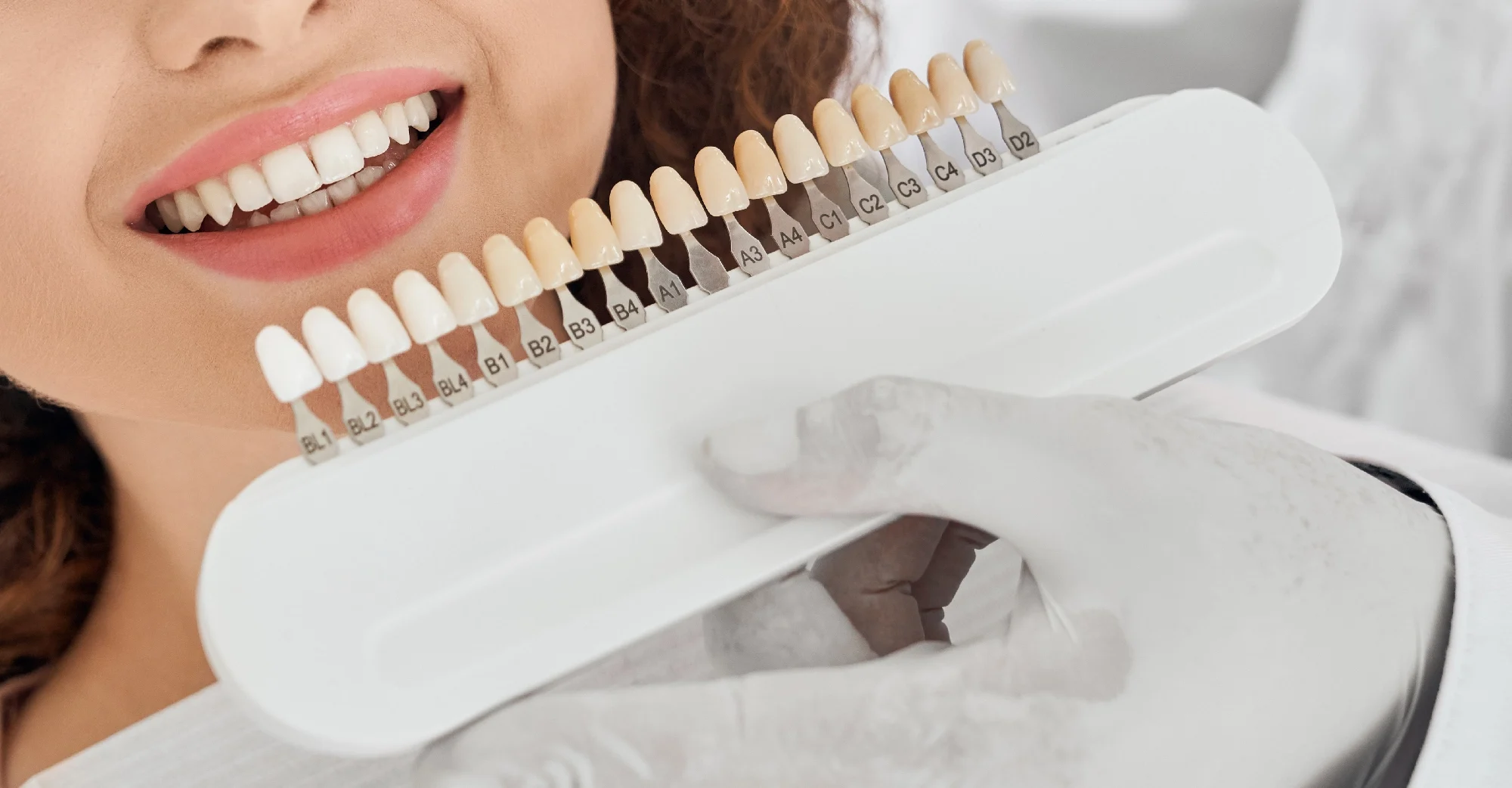
The Truth: Many people worry that teeth whitening treatments can damage enamel, but when done professionally, teeth whitening is completely safe. Dental clinics use high-quality, tested whitening solutions that are gentle on enamel while effectively removing years of stains. However, over-the-counter whitening kits often contain harsh ingredients that can damage enamel, cause sensitivity, and irritate your gums. For safe, effective results, always consult with a dental professional.

Myth #5: No Pain, No Problem?

The Truth: Just because you aren’t in pain doesn’t mean everything is fine. Regular dental checkups are essential, even when you’re not experiencing discomfort. Dentists can detect early signs of problems before they become painful or costly to treat. Routine cleanings and exams also contribute to your overall health—studies have shown a connection between oral health and conditions like heart disease and diabetes. These visits are more than just about maintaining your smile; they’re about supporting your overall well-being.

Why It Matters

A healthy smile is more than just a pretty face—it’s a boost to your confidence and a gateway to better health. At Diamond Dental, we believe everyone deserves to feel great about their smile and have access to the facts about their oral health. Let’s brush away the myths and embrace dental truths for a lifetime of healthy, bright smiles.

Ready for your next checkup or whitening treatment? Book an appointment with us today, we’re here to help you achieve the smile you’ve always dreamed of.

The Art of Cosmetic Dentistry

VENEERS

A bright, confident smile can leave a lasting impression. For many, veneers are the secret to achieving a smile that radiates confidence and beauty. But what are veneers, and how can they transform your appearance? Let’s take a closer look at this cosmetic dental solution and how it can help you unlock the smile of your dreams.

What Are Veneers?

Veneers are thin, custom-made shells that are bonded to the front of your teeth to improve their appearance. Crafted from either porcelain or resin, these shells can address a range of cosmetic concerns such as chips, cracks, discoloration, and minor misalignment. The result? A flawless, natural-looking smile that feels just like your own teeth, only better.

Why Choose Veneers?

Veneers aren’t about masking flaws—they’re about enhancing the unique qualities of your smile and boosting your confidence. Here’s why they may be the perfect solution for you:

  • Seamless Integration: Made from materials that mimic the light-reflecting properties of natural teeth, veneers blend in beautifully with your smile. Whether you’re after a subtle enhancement or a dramatic transformation, veneers are custom-designed to suit your needs.
  • Fix Imperfections: If you have stubborn stains, chips, or cracks, veneers can cover these imperfections and give you a smooth, even smile without the need for extensive treatments.
  • Versatility: Veneers allow you to adjust the size, shape, and length of your teeth. Whether you want a Hollywood smile or just a little polish, veneers offer incredible flexibility to create the perfect look.
  • Boost Confidence: A beautiful smile can have a powerful impact on your confidence. With veneers, you’ll feel more at ease in social settings, gain a boost in job interviews, or simply enjoy the confidence that comes with a radiant smile.

The Veneer Process: Collaboration with Your Dentist

The journey to your new smile begins with a conversation. Your dentist will work closely with you to understand your goals and create a personalised treatment plan. Together, you’ll discuss your vision for your smile, explore options, and decide on the best approach to achieve the results you want.

Are Veneers Right for You?

While veneers can be a game-changer for many, they’re not for everyone. It’s important to consult with your dentist to see if veneers are the best fit for your teeth and lifestyle. Veneers are designed to address specific cosmetic concerns, but they require proper care and maintenance to keep your smile looking its best.

Ready to Transform Your Smile?

Veneers offer a lasting solution to imperfections, giving you the radiant smile you’ve always dreamed of. Whether you’re looking for a subtle touch-up or a full smile makeover, veneers can help you feel more confident and ready to take on the world. If you’re considering veneers, reach out to your dentist to learn more about how this cosmetic dental solution can enhance your smile and boost your confidence.

At Diamond Dental, we’re here to help you achieve the smile you deserve. Let’s start the journey to a more beautiful, confident you.

A Great Place Of Medical Health Care

Lorem ipsum dolor sit amet, consectetur adipiscing elit, sed do eiusmod tempor incididunt ut labore et dolore magna aliqua. Ut enim ad minim veniam, quis nostrud exercitation ullamco laboris nisi ut aliquip ex ea commodo consequat. Duis aute irure dolor in reprehenderit in voluptate velit esse cillum dolore eu fugiat nulla pariatur. Excepteur sint occaecat cupidatat non proident, sunt in culpa qui officia deserunt mollit anim id est laborum.

Some Common Teeth Whitening Misconceptions

WHITENING

Teeth Whitening Myths Debunked: What You Need to Know

A bright, radiant smile is often seen as the ultimate confidence booster, which is why teeth whitening is a popular topic. However, with so much conflicting information floating around, it’s hard to know what’s true and what’s not when it comes to teeth whitening. As a dental consultant, I’m here to clear up some common myths and provide the facts so you can make the best decisions for your oral health and achieve the smile you deserve.

Myth #1: Whitening Toothpaste Works Just as Well as Professional Whitening

It’s easy to assume that whitening toothpaste will give you the same results as a professional treatment, but that’s not the case. Whitening toothpaste can help with surface stains, but it won’t significantly change the overall shade of your teeth. Most whitening toothpastes use mild abrasives or small amounts of bleaching agents that work for maintenance but aren’t as powerful as professional whitening treatments. In-office treatments use stronger bleaching agents that penetrate below the surface of your enamel, offering more dramatic and lasting results.

Myth #2: Lemon Juice or Strawberries Will Whiten My Teeth Naturally

The idea of using natural remedies to whiten your teeth, like lemon juice or strawberries, sounds tempting. However, while these may help temporarily remove surface stains, they come with risks. Both lemon juice and strawberries contain acids that can erode your enamel over time. This enamel erosion can lead to increased sensitivity and eventually a duller, yellowish appearance. Instead of relying on these harsh DIY methods, it’s best to speak with your dentist about safe, proven teeth whitening options.

Myth #3: Whitening Will Make My Teeth Too Sensitive

A common concern with teeth whitening is increased sensitivity, but the reality is that any discomfort you experience is usually short-lived. For most people, sensitivity only lasts for a few days after whitening. If you have sensitive teeth, there are whitening treatments specifically designed to minimize this issue. Many dental offices also offer treatments that can help alleviate discomfort after whitening. So, don’t let the fear of sensitivity stop you from achieving a brighter smile—you can get the results you want with minimal discomfort.

Myth #4: Whitening Will Damage My Enamel

When done properly, professional teeth whitening is safe for your enamel. Dentists use products that are formulated to protect your enamel while delivering effective results. Problems arise when people overuse over-the-counter products or try at-home remedies without guidance. For the best and safest results, it’s important to work with your dentist to choose a whitening plan that suits your teeth and your goals.

The Bottom Line

By understanding the truth behind these common teeth whitening myths, you can make more informed choices about how to achieve a brighter smile without compromising your oral health. If you’re considering teeth whitening, the best first step is to consult with your dentist. They can guide you toward safe, effective treatments tailored to your needs, helping you get the smile you’ve always wanted.

If you’re ready to brighten your smile, reach out to us at Diamond Dental—we’re here to help you achieve a radiant, healthy smile that you can be proud of.

Debunking Braces Myths

braces-1

A bright, confident smile is within everyone’s reach, thanks to the wonders of braces. But along with that metal smile come plenty of myths and misconceptions that may keep some people from seeking orthodontic treatment. We are here to clear up the confusion and give you the real story about braces.. because when you have the facts, you can confidently take the steps to achieve your healthiest smile.

Myth #1: Braces Are Just for Kids

It’s true that braces are common for children and teens, but braces are no longer just for young people. Many adults now seek orthodontic treatment to improve their smile or address bite issues. In fact, advancements in technology have made braces more comfortable and less visible, so whether you’re 8 or 80, it’s never too late to consider braces.

Myth #2: Braces Take Years to Work

While treatment duration depends on individual needs, most people won’t be in braces for “years.” The average treatment time is usually around 12 to 18 months, and modern braces are designed to work more efficiently than ever before. You’ll likely start noticing progress in just a few months, which can be a great motivator to keep going.

Myth #3: Braces Are Painful

Braces might bring some initial discomfort, especially as your teeth start shifting, but it’s usually temporary and manageable. Most patients find that any soreness only lasts a few days after adjustments, and it’s more of a mild ache than true pain. Your dentist can also offer tips to help ease the discomfort—think wax for wires, soft foods, and over-the-counter pain relief if needed.

Myth #4: You Can’t Eat Anything with Braces

While you’ll want to avoid certain crunchy or sticky foods to protect your braces, you’re not destined for a bland diet. With some adjustments to your eating habits, you can still enjoy many of your favourite foods. Choose softer options and cut tougher foods into small pieces to keep your braces in top shape.

Myth #5: Braces Are a One-Time Fix

Once the braces come off, you’ll still need to wear a retainer as directed by your dentist to prevent your teeth from shifting back. Retainers are key to maintaining your new, beautiful smile long-term, so think of them as a final, essential step in the braces journey.

By understanding the facts behind these common myths, you’ll be better prepared to start your journey to a healthier, more confident smile. If you’re considering braces, don’t hesitate to reach out to your dental team. A consultation can answer any questions you have, address your unique needs, and help you decide on the best treatment plan. Remember, your perfect smile is achievable at any age, and we’re here to support you every step of the way!

5 Signs You Might Need a Crown or Bridge

DENTURES

A healthy, radiant smile is much more than just a boost to your appearance; t’s a reflection of confidence, comfort, and well-being. But what if cracked, chipped, or missing teeth are standing in the way of your ideal smile? Fortunately, modern dentistry offers effective solutions like crowns and bridges, which restore both the function and appearance of your teeth.

So, how do you know if a crown or bridge might be the right fix? Here are five signs that it’s time to book your consultation to discuss some restorative options.

1. You Have Chipped or Cracked Teeth

Chipped or cracked teeth can result from accidents, grinding, or just everyday wear and tear. Beyond cosmetics, these fractures expose the sensitive layers of the tooth, which can lead to pain, sensitivity, and even infection if left untreated. Crowns which are custom-made caps that completely cover the damaged tooth therefore provide strength, restore full function, and protect against further damage. If a chip or crack is affecting your smile or causing discomfort, a crown could be just what you need.

2. There’s Extensive Decay

If a cavity has grown too large for a standard filling, a crown might be the best option to preserve your tooth. Severe decay compromises the tooth’s structure, leaving it vulnerable to further damage or even potential extraction. Crowns act as a protective barrier, shielding the tooth from further decay and preserving its structure. Addressing decay early with a crown can help you avoid more invasive procedures later on.

3. You’ve Had a Root Canal

After a root canal, the treated tooth is often left weaker, as the procedure involves removing the damaged inner tissue. A crown offers essential reinforcement, preventing the tooth from fracturing and ensuring it stays strong and functional for years to come. If you’ve had a root canal recently, your dentist might recommend a crown to maintain the tooth’s durability.

4. You’re Missing a Tooth

Missing teeth do more than just leave a gap in your smile. They can disrupt your bite, impact chewing, and even lead to alignment issues over time. A dental bridge, supported by crowns on the adjacent teeth, fills the space left by a missing tooth. Bridges not only restore your smile but also improve your bite and chewing function. If a gap in your smile is affecting you, a bridge might be the perfect solution.

5. You’re Experiencing Discomfort or Sensitivity

Ongoing discomfort, sensitivity to hot or cold, or difficulty chewing can all signal that something’s wrong. A crown or bridge can address various underlying issues, from exposed nerves to alignment problems, and provide relief from discomfort. If you’re dealing with persistent sensitivity or pain, don’t ignore it—schedule a checkup to find out if a crown or bridge could offer relief.

In Summary

These are just a few signs that a crown or bridge might be beneficial, but early detection is essential for maintaining optimal oral health. If any of these issues sound familiar, consider scheduling a consultation with your dentist to explore your options. Depending on your specific needs, other restorative treatments like fillings, implants, or veneers might also be recommended.